





What's Happening?
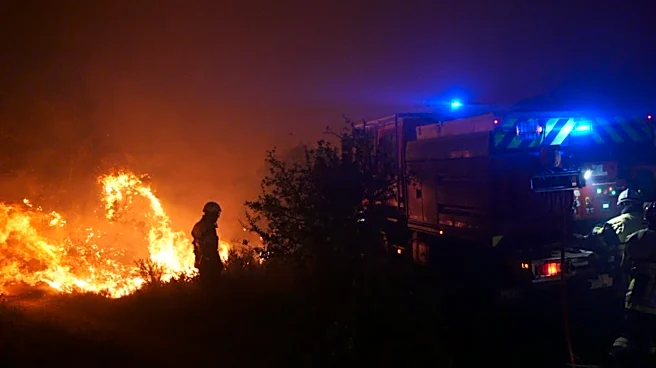
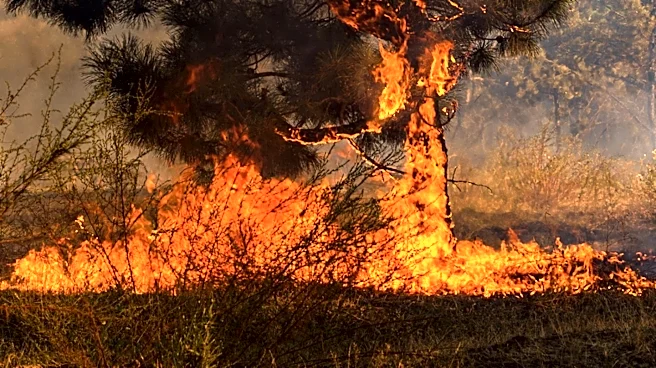
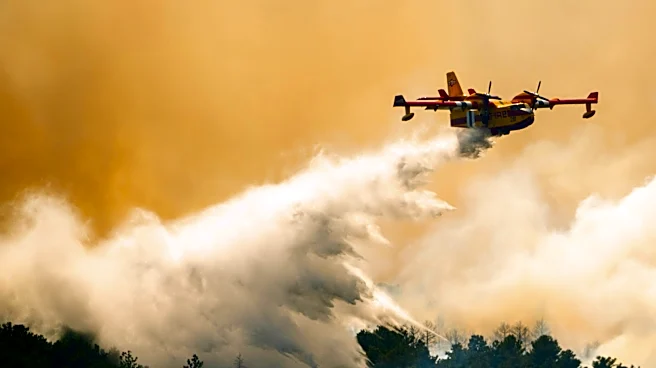
The Everglades Foundation has reported significant drought-level water shortages in South Florida, which are contributing to the outbreak of fires in the region. According to the South Florida Water Management District, rainfall in the Everglades has decreased
by approximately 33 percent compared to normal expectations during the dry season. This reduction in rainfall has exacerbated the dry conditions, leading to an increased risk of fires. The situation highlights the ongoing challenges faced by the region in managing water resources effectively, especially during periods of reduced precipitation.
Why It's Important?
The water shortages in South Florida have significant implications for both the environment and local communities. The Everglades is a critical ecosystem that supports a diverse range of wildlife and plant species. Prolonged drought conditions can lead to habitat loss and threaten the survival of these species. Additionally, the increased risk of fires poses a direct threat to human settlements and infrastructure, potentially leading to property damage and displacement of residents. The situation underscores the need for effective water management strategies to mitigate the impact of climate variability and ensure the sustainability of vital ecosystems.
What's Next?
Efforts to address the water shortages in South Florida will likely involve a combination of short-term and long-term strategies. In the immediate term, authorities may implement water conservation measures and fire prevention strategies to reduce the risk of further outbreaks. In the long term, there may be a push for more comprehensive water management policies that take into account the impacts of climate change and aim to enhance the resilience of the region's water systems. Collaboration between government agencies, environmental organizations, and local communities will be crucial in developing and implementing these strategies.