





What's Happening?
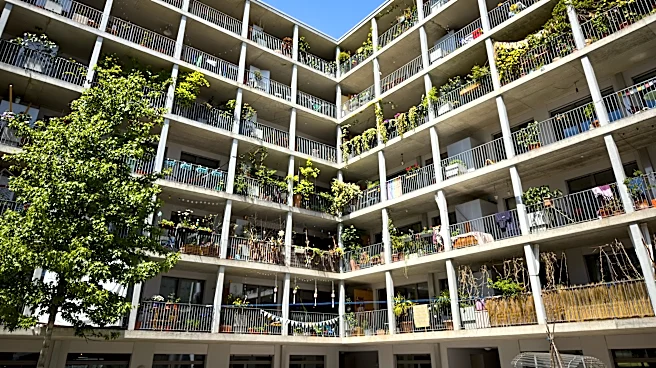
The Oregon Housing Stability Council, a panel appointed by Governor Tina Kotek, has approved an additional $30 million for an affordable housing development in North Portland, bringing its total cost to $56.2 million. This translates to nearly $1 million per
apartment for the 57-unit project, now named Monarca, which will house households earning 60% or less of the area median income. This decision follows Governor Kotek's reelection promise to increase housing availability and affordability. The project, initially budgeted at $26 million ($361,000 per unit) in 2022, faced delays and cost increases due to a wage dispute in 2024. The Oregon Bureau of Labor and Industries (BOLI) determined that prevailing (union) wages were required, a decision not initially communicated to the general contractor, leading to a multi-million dollar shortfall. Two council members abstained from the vote, citing the extraordinary expense, with one calling it 'astronomical.'
Why It's Important?
This development highlights a significant challenge in Oregon's affordable housing initiatives: the escalating costs of subsidized projects. At nearly $1 million per unit, the Monarca project far exceeds the median sale price of a single-family home in North Portland ($481,000), raising questions about the efficiency and impact of state housing funds. Critics argue that BOLI's interpretation of prevailing wage requirements is driving up costs, resulting in fewer housing units being built despite substantial state investment. The situation suggests a potential disconnect between policy goals of increasing affordable housing and the practical execution, where regulatory interpretations and communication breakdowns lead to inflated expenses. This could impact the state's ability to meet its housing targets and effectively utilize its $3.7 billion biennial housing budget, ultimately affecting low-income residents who depend on these programs.
What's Next?
Governor Kotek's office has indicated that she plans to work with the Oregon Housing and Community Services (OHCS) in the coming year to examine current costs of funded projects and prioritize greater impact with state dollars for new housing production. The litigation surrounding the stalled Monarca project is expected to settle soon, a condition for the new developer, Hacienda Community Development Corporation, to complete the project. Affordable housing developers are urging Governor Kotek and the Democratic supermajorities in the Legislature to address the effects of BOLI's rulings on project costs. The outcome of these discussions and potential policy adjustments will determine whether Oregon can streamline its affordable housing development process and achieve its goals of making housing more available and affordable without incurring excessive costs.
Beyond the Headlines
The Monarca project's cost overruns and the debate over prevailing wage requirements underscore a broader tension between labor protections, development costs, and the urgent need for affordable housing. While prevailing wage laws aim to ensure fair compensation for workers, their application in affordable housing projects can significantly increase expenses, potentially limiting the number of units that can be built. This raises ethical questions about balancing worker rights with the societal benefit of providing housing for vulnerable populations. The situation also points to potential systemic issues within state agencies regarding communication and project oversight, where initial budget estimates can drastically change due to unforeseen regulatory interpretations. The long-term implications could include a reevaluation of how affordable housing projects are funded and regulated in Oregon, potentially leading to reforms that seek to optimize both cost-efficiency and social impact.