







What's Happening?
Proviron, known generically as mesterolone, is a synthetic androgen with a chemical structure similar to dihydrotestosterone (DHT). While it has legitimate medical applications for conditions like low testosterone (hypogonadism), delayed puberty, and certain
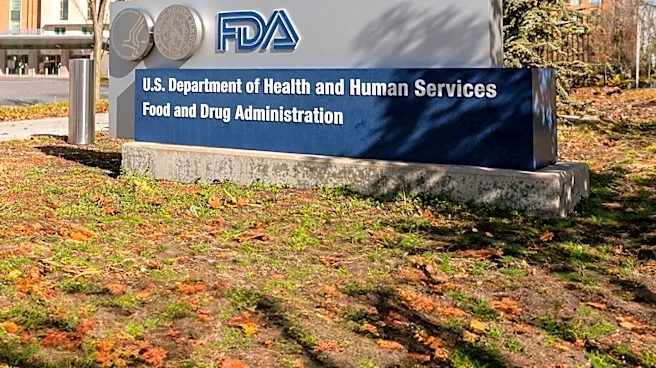
types of male infertility, its use is heavily regulated. In the United States, mesterolone is classified as a Schedule III anabolic steroid, making possession without a valid prescription a federal offense. It is not approved by the FDA for use in the U.S. The drug is also banned by the World Anti-Doping Agency (WADA) for athletes, with positive tests leading to multi-year bans, even with a prescription, unless a Therapeutic Use Exemption is granted. The prevalence of unprescribed use has led to significant concerns regarding its side effects and legal implications.
Why It's Important?
The strict legal classification of Proviron in the U.S. as a Schedule III anabolic steroid underscores the federal government's stance on regulating substances with potential for abuse and significant health risks. This classification means that individuals possessing or distributing the drug without a prescription face severe legal consequences. The lack of FDA approval further highlights concerns about its safety and efficacy when used outside of controlled medical environments. For the healthcare system, the misuse of Proviron presents challenges in managing side effects, which can range from acne and hair loss to more serious issues like prostate enlargement, priapism, hormone suppression, adverse cholesterol changes, and liver strain. The ban by WADA also has significant implications for U.S. athletes, emphasizing the global commitment to fair play and the health risks associated with performance-enhancing drugs.
What's Next?
Given its Schedule III classification and lack of FDA approval, the legal landscape for Proviron in the U.S. is unlikely to change significantly in the near future. Enforcement efforts will likely continue to target illicit distribution and possession. For individuals experiencing symptoms of low testosterone or fertility issues, the emphasis will remain on consulting qualified medical professionals, such as endocrinologists, for proper diagnosis and treatment with FDA-approved medications. Public health campaigns may continue to educate about the dangers of acquiring and using unprescribed hormones. Athletes will need to remain vigilant about anti-doping regulations and seek appropriate medical guidance for any health concerns to avoid inadvertent violations.
Beyond the Headlines
The issue of Proviron's legality and health risks extends beyond individual users to broader societal implications. The demand for such substances, often driven by aesthetic or performance goals, highlights a cultural pressure to achieve certain physical ideals, sometimes at the expense of health and legal compliance. The proliferation of counterfeit or unregulated products sold online or through informal channels poses a significant public health threat, as these products may contain incorrect dosages, different substances, or harmful contaminants. This situation also underscores the challenges faced by regulatory bodies in controlling the flow of unapproved substances in an increasingly globalized and digital marketplace, impacting public safety and the integrity of sports.