




What's Happening?
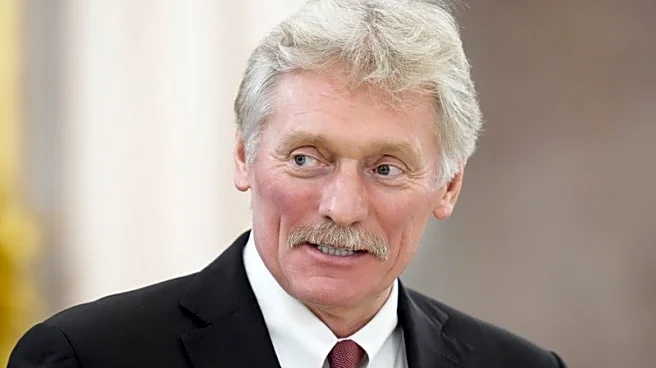
Russia is dispatching a high-level delegation, including senior diplomats and military officials, to U.S.-mediated peace talks with Ukraine in Abu Dhabi on November 10–11. Kremlin spokesperson Dmitry Peskov confirmed that the Russian delegation will be led
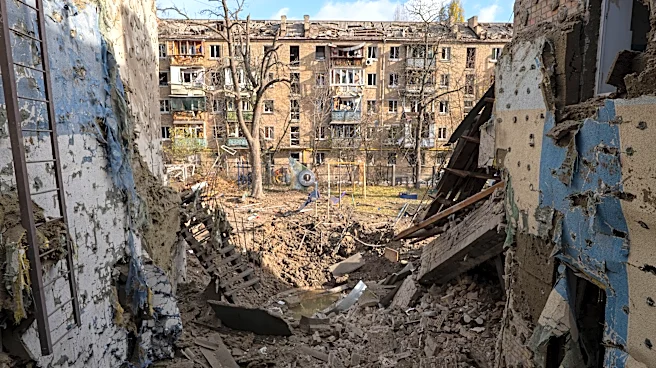
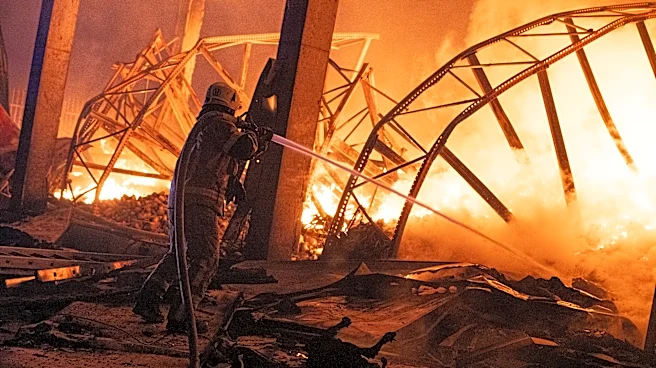
by presidential aide Vladimir Medinsky and will include Deputy Foreign Ministers Sergei Ryabkov and Mikhail Galuzin, military intelligence chief Igor Kostyukov, and senior General Staff officer Yury Zhigarlovsky. Notably, Ryabkov, who oversees Russia's relations with the United States and arms control issues, will be joining these negotiations for the first time. Medinsky, Galuzin, and Kostyukov have participated in previous rounds. This expanded and elevated delegation suggests a potential shift in Moscow's approach, indicating a willingness to engage in more substantive discussions that could encompass both political and military dimensions of the conflict. The upcoming meeting marks the first round of trilateral U.S.-mediated negotiations between Ukraine and Russia since February, occurring amidst ongoing Russian missile and drone strikes against Ukrainian cities and infrastructure.
Why It's Important?
The composition of Russia's delegation to the Abu Dhabi peace talks carries significant implications for U.S. foreign policy and the broader international landscape. The inclusion of high-ranking military and diplomatic figures, particularly Deputy Foreign Minister Sergei Ryabkov, signals a potential shift in Russia's willingness to engage seriously in negotiations. For the U.S., which is mediating these talks, this could represent an opportunity to advance diplomatic solutions to the conflict in Ukraine, a key foreign policy objective. A more substantive engagement from Russia might lead to discussions on a security mechanism for both Russia and Ukraine post-conflict, as well as arms control issues, which are critical for regional stability. However, the timing of these talks, amidst continued Russian aggression, also highlights the complex and often contradictory nature of the conflict. A breakthrough could alleviate pressure on U.S. resources and alliances, while a failure could deepen the diplomatic impasse and necessitate continued U.S. support for Ukraine. The outcome will influence global energy markets, international security frameworks, and the future of U.S.-Russia relations.
What's Next?
The immediate next step will be the U.S.-mediated peace talks in Abu Dhabi on November 10–11. The expanded Russian delegation, including military and senior diplomatic figures, suggests Moscow may be prepared for more comprehensive discussions. U.S. negotiators will be seeking a breakthrough in the long-running conflict, particularly before the onset of winter, which typically exacerbates humanitarian concerns. Ukraine's delegation will be led by Rustem Umerov, head of the Foreign Intelligence Service, and will include Zelensky's chief of staff Kyrylo Budanov and David Arakhamia. The presence of such high-level officials from both sides, along with U.S. mediation, indicates a concerted effort to find common ground. However, the talks are taking place against a backdrop of continued Russian missile and drone attacks on Ukrainian cities, which Ukrainian President Volodymyr Zelenskyy views as an attempt to build pressure. The discussions are expected to cover a range of issues, including a potential security mechanism for Russia and Ukraine after the conflict. The success or failure of these talks will significantly influence future diplomatic efforts and the trajectory of the conflict.
Beyond the Headlines
The elevated Russian delegation to the Abu Dhabi talks, particularly the inclusion of military intelligence chief Igor Kostyukov and a senior General Staff officer, hints at a deeper strategic calculus beyond mere diplomatic posturing. This could signify Russia's acknowledgment of the military stalemate and a potential shift towards integrating military and political objectives in negotiations. The U.S. role as mediator is crucial, as it attempts to navigate a complex geopolitical landscape where its own interests in European stability and global security are at stake. The talks also highlight the ethical dilemma of negotiating peace amidst ongoing hostilities and civilian casualties. The long-term implications could include a redefinition of European security architecture, potentially impacting NATO's role and the balance of power in the region. Furthermore, the outcome of these discussions could set precedents for future international conflict resolution, particularly concerning territorial disputes and the sovereignty of nations. The involvement of such high-level military figures suggests that any potential agreement would likely involve significant security guarantees and military disengagement protocols, rather than just political concessions.