

What's Happening?
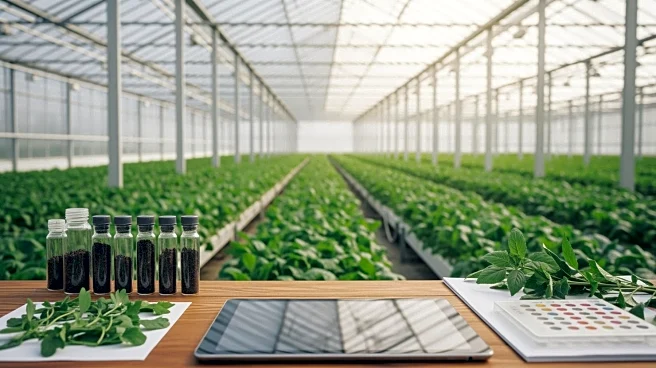
A group of 300 Pakistani agricultural graduates has completed a three-month training program in China, focusing on modern farming techniques and climate-smart practices. The program, held in Shaanxi Province, is part of a broader initiative to train 1,000
Pakistani agricultural professionals in China. Participants received hands-on training in areas such as water-saving irrigation, seed technology, and post-harvest loss prevention. The second phase of the program, which began in August 2025, is training additional professionals in smart agriculture at Huazhong Agricultural University in Wuhan.
Why It's Important?
This training program is crucial for enhancing the skills and knowledge of Pakistani agricultural professionals, enabling them to implement modern and sustainable farming practices. By adopting these techniques, Pakistan can improve agricultural productivity and sustainability, addressing challenges such as food security and climate change. The program also strengthens bilateral relations between Pakistan and China, fostering collaboration in agriculture and technology. As graduates return to Pakistan, they are expected to serve as master trainers, disseminating their knowledge and contributing to the development of the country's agricultural sector.
What's Next?
The successful completion of the training program is likely to lead to further collaborations between Pakistan and China in agriculture and other sectors. Graduates will play a key role in implementing the skills and techniques learned, potentially leading to increased agricultural output and efficiency in Pakistan. The program may also inspire similar initiatives in other sectors, promoting knowledge exchange and capacity building. As Pakistan continues to face challenges related to climate change and resource management, such training programs will be essential for building resilience and ensuring sustainable development.
Beyond the Headlines
The training program highlights the importance of international cooperation in addressing global challenges such as food security and climate change. By leveraging expertise and resources from countries like China, Pakistan can accelerate its development and improve the livelihoods of its rural population. The program also underscores the potential of education and training in driving economic growth and innovation. As more countries invest in capacity building and knowledge exchange, they can create a more interconnected and resilient global community.