






What's Happening?
The cost of home batteries in the U.S. is rapidly declining, making them more accessible to a wider range of consumers. This reduction in price, coupled with the rise of Virtual Power Plants (VPPs), is transforming the energy landscape. Home batteries,
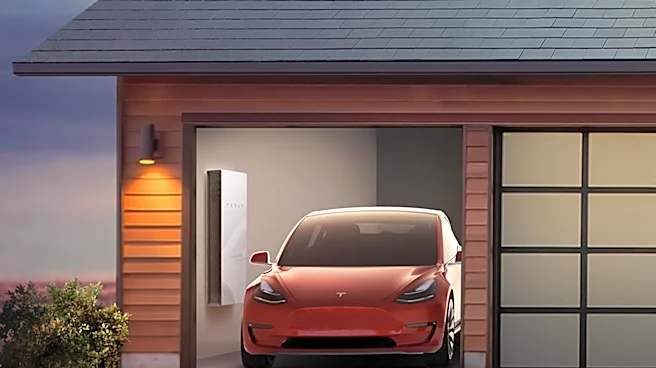
which previously cost over $10,000 installed, are now available through leasing options, such as Tesla Powerwalls for $35 per month or Base Power batteries for $19 per month in Texas. VPPs aggregate and coordinate distributed energy resources, like home batteries and water heaters, to function as a single large power plant that utilities can call upon during peak demand. Companies like Tesla and Base Power are leveraging their battery fleets as VPPs to help utilities manage electricity supply and demand, especially as competition in the home battery market intensifies.
Why It's Important?
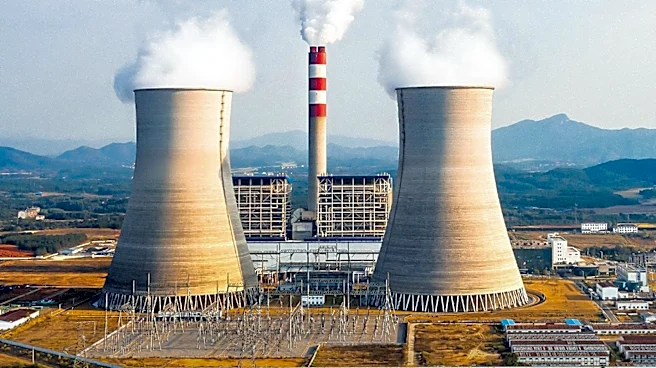
The proliferation of affordable home batteries and VPPs is critical for enhancing grid stability and energy resilience across the U.S. Traditionally, utilities relied on expensive 'peaker plants' or paid large industrial users to reduce consumption during high demand. VPPs offer a more flexible and cost-effective alternative, allowing utilities to tap into distributed energy resources quickly. This technology can significantly reduce the need for new, centralized power infrastructure and transmission lines, saving costs and accelerating the deployment of new energy capacity. As electricity demand rises due to factors like AI data centers and electrification, VPPs provide a scalable solution to meet these growing needs, offering consumers lower electricity prices, reliable backup power, and a more active role in the energy market. The market for VPPs is projected to grow from $7.4 billion today to over $30 billion by 2033.
What's Next?
The trend of declining battery costs and the expansion of VPPs are expected to continue, leading to wider adoption across the U.S. As competition among home battery providers intensifies, further price reductions and innovative leasing models are likely. Utilities and grid operators, particularly in states like Texas and California, will increasingly integrate VPPs into their energy management strategies. This will likely lead to more partnerships between energy companies and VPP operators, such as Base Power's deal with CoServ to build a 100-megawatt VPP. The rapid deployment capability of VPPs, which can be built in months compared to years for traditional power plants, will make them an attractive solution for addressing surging electricity demand. This shift will also drive innovation in software and grid management technologies to optimize the coordination of distributed energy resources.
Beyond the Headlines
The rise of VPPs represents a fundamental shift towards a more decentralized and democratized energy system. Homeowners are no longer just passive consumers but active participants in grid management, contributing to energy supply and stability. This empowerment of individual households could foster greater energy independence and resilience against outages. Furthermore, the rapid deployment of VPPs challenges traditional energy infrastructure development, potentially reducing the environmental impact associated with large-scale power plant construction. The increasing reliance on distributed energy resources also raises questions about cybersecurity and the need for robust protection of interconnected home energy systems. This evolving energy landscape could also spur new economic models and job creation in the renewable energy and smart grid sectors.