





What's Happening?
The Trump administration has announced a freeze on $1.1 billion in Medicaid funding to California's In-home Supportive Services (IHSS) program, citing concerns over potential fraud. This program assists approximately 900,000 elderly and disabled residents
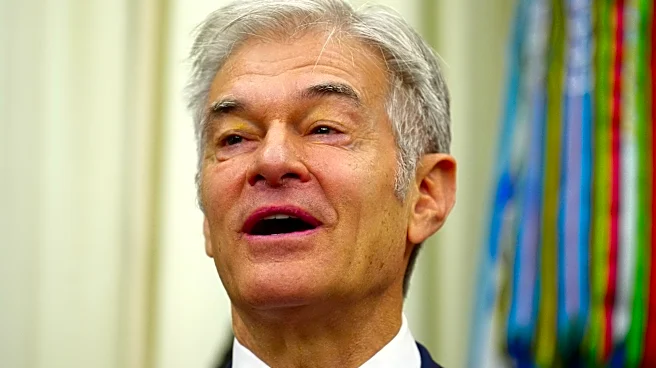
in California, enabling them to remain in their homes rather than moving to institutional settings. Dr. Mehmet Oz, the administrator of the U.S. Centers for Medicare and Medicaid Services, described this as the largest deferral of funds ever made by the agency. The federal government claims that California's home health spending is growing at twice the rate of other states, prompting the suspension until the state can provide a satisfactory explanation. California officials, including Governor Gavin Newsom, argue that the program's growth is a success story, attributing it to increased caseloads, higher wages for home health workers, and more hours logged. They maintain that the program is cost-effective compared to nursing facilities and have implemented measures to prevent fraud.
Why It's Important?
The freeze on Medicaid funds could have significant implications for California's healthcare system, particularly for the vulnerable populations that rely on the IHSS program. The suspension threatens to disrupt services for seniors and people with disabilities, potentially forcing them into more expensive institutional care. This move is part of a broader crackdown by the Trump administration on Medicaid and Medicare fraud, which could lead to increased scrutiny and regulatory changes affecting healthcare providers nationwide. The decision also highlights ongoing tensions between federal and state governments over healthcare policy and funding, with California being a frequent target of the administration's anti-fraud efforts. The outcome of this dispute could set a precedent for how similar cases are handled in the future, impacting Medicaid programs across the country.
What's Next?
California state officials are expected to continue negotiations with the federal government to resolve the funding freeze. They may need to provide additional documentation or make adjustments to the IHSS program to address the fraud concerns raised by the Trump administration. Meanwhile, advocacy groups and unions representing caregivers are likely to increase pressure on both state and federal governments to ensure that services remain uninterrupted for those in need. The situation may also lead to legal challenges, similar to those seen in other states like Minnesota, which previously faced a Medicaid payment suspension. The resolution of this issue will be closely watched by other states and healthcare stakeholders, as it could influence future federal-state interactions regarding Medicaid funding and fraud prevention.