




What's Happening?
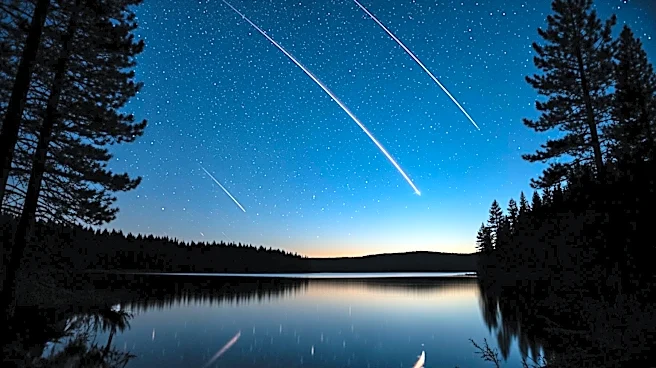
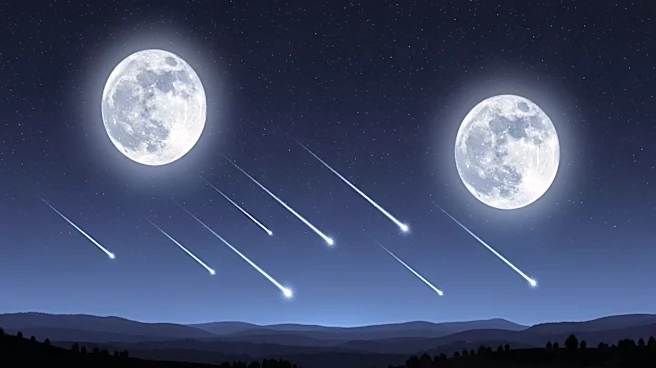
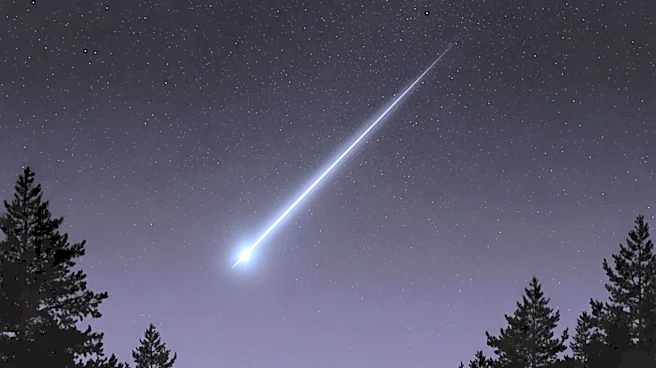
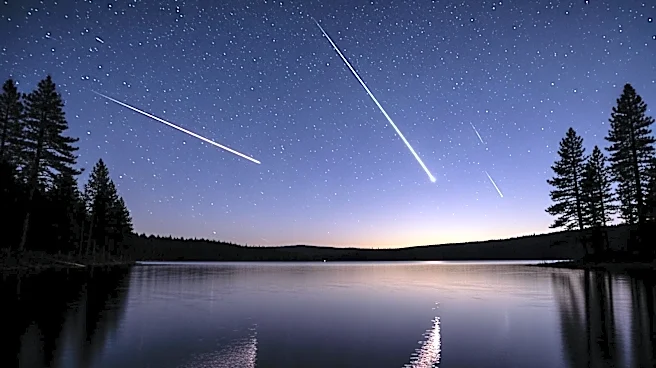
The annual Lyrid meteor shower is set to peak on the night of April 21-22, offering skywatchers the chance to see approximately 18 meteors per hour. This meteor shower originates from the debris left by Comet Thatcher, which was discovered in 1861. The comet
takes about 415.5 years to orbit the sun, and its debris creates the 'shooting stars' effect as it burns up in Earth's atmosphere. The Lyrid meteor shower is one of the oldest known, with records dating back over 2,700 years. The meteors will appear near the star Vega, the fifth-brightest star in the night sky. Most of the U.S. is expected to have clear skies for optimal viewing, except for some areas on the West Coast and parts of the South.
Why It's Important?
Meteor showers like the Lyrids offer a unique opportunity for public engagement with astronomy, drawing attention to the wonders of the night sky. They provide a natural spectacle that can inspire interest in science and space exploration. The Lyrids are particularly significant due to their long history of observation, connecting modern viewers with ancient skywatchers. Such events can also foster community gatherings and educational activities, as people come together to witness the celestial display. The visibility of the Lyrids across much of the U.S. enhances their accessibility, allowing a wide audience to experience the event.
What's Next?
As the Lyrid meteor shower approaches, astronomers and educators will likely prepare to offer guidance on the best viewing practices and locations. Public observatories and planetariums may host special events to coincide with the peak of the shower, providing telescopes and expert commentary. The event serves as a precursor to other celestial phenomena throughout the year, maintaining public interest in astronomy. Following the Lyrids, skywatchers can look forward to other meteor showers and astronomical events, continuing the cycle of engagement with the night sky.