




What's Happening?
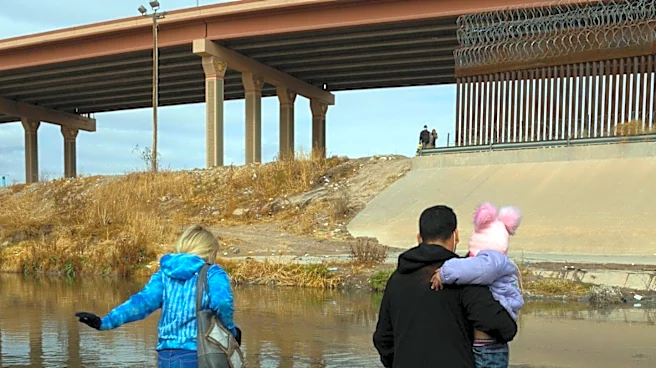
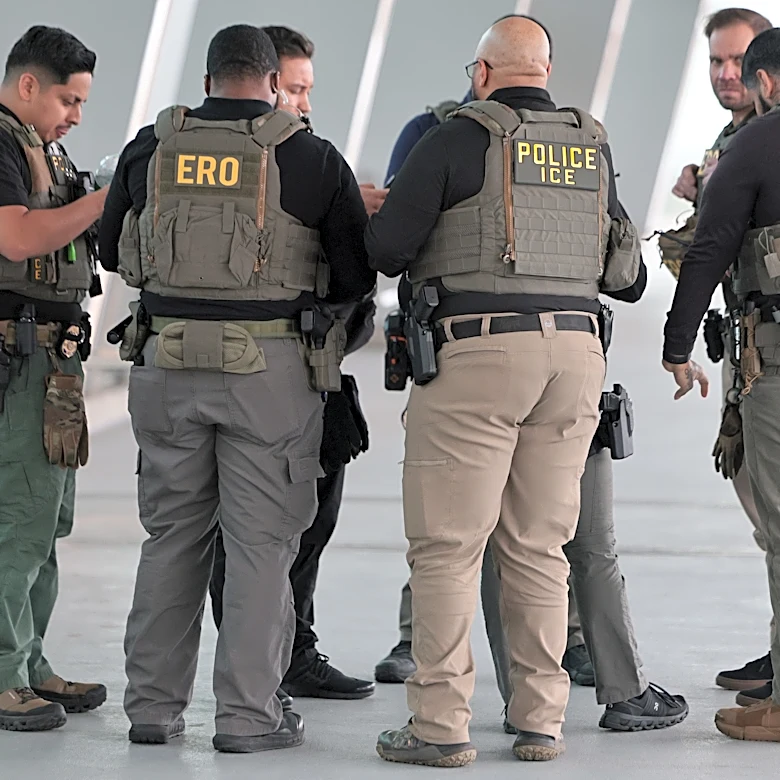
Democratic Congressman Greg Casar, representing Austin in the U.S. House of Representatives, has publicly advocated for the immediate release of Liam Tadeo, a five-year-old migrant child, and his father, Victor, who are currently detained by U.S. Immigration
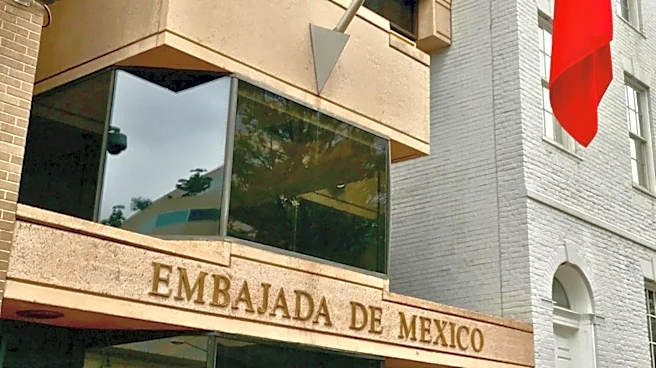
and Customs Enforcement (ICE). Casar expressed his concern via a video on platform X, questioning why a child who should be in kindergarten is instead held in a detention center, which he referred to as a 'trailer prison in the desert.' He also called for the closure of the 'Dilley child prison.' The detention of Liam and Victor by ICE agents has prompted mobilization from activists and human rights defenders, who are demanding coordinated intervention from Mexican authorities to reunite the child with his family. The family has reportedly sought consular assistance from Mexico since their detention on August 16 at the South Texas Family Residential Center, the largest immigrant detention center in the U.S. since 2014. Casar's office also noted a significant increase in ICE detentions in Austin during August, reporting levels three to four times higher than usual, though these figures are from his office's count and not official ICE statistics. Casar drew a parallel to another case involving a five-year-old named Liam Conejo Ramos, who was detained by ICE in Minnesota and later ordered released by a federal judge.
Why It's Important?
This situation highlights critical issues surrounding U.S. immigration policy, particularly the detention of migrant children and families. Congressman Casar's public condemnation and call for the release of Liam Tadeo and his father underscore the ongoing debate about the humanitarian implications of current enforcement practices. The comparison to a previous case where a federal judge ordered the release of a similarly aged child suggests potential legal and ethical challenges to the prolonged detention of minors. The reported lack of response from Mexican authorities to assist their detained citizens, as noted by activists, further complicates the situation and raises questions about international cooperation in migrant protection. The increase in ICE detentions in Austin, as observed by Casar's office, indicates a potential shift or intensification in immigration enforcement, which could have broader societal impacts on migrant communities and advocacy groups. This event brings to the forefront the tension between immigration enforcement and the protection of children's rights, prompting scrutiny of detention conditions and the legal pathways available to asylum seekers and migrants.
What's Next?
The immediate next steps will likely involve continued advocacy from human rights organizations and potentially further legal challenges to secure the release of Liam Tadeo and his father. The public pressure exerted by Congressman Casar and other activists may prompt a response from ICE or other U.S. government agencies regarding the detention conditions and the specific case of Liam. Mexican authorities may face increased calls to provide consular assistance and intervene on behalf of their citizens, potentially leading to diplomatic discussions or increased support for the detained family. The call to close the 'Dilley child prison' could reignite broader policy debates about the use of family residential centers for migrant detention. Depending on the outcome of this case, there could be renewed legislative efforts to reform immigration detention policies, particularly concerning minors. The reported surge in ICE detentions in Austin could also lead to increased scrutiny of local enforcement practices and calls for greater transparency from immigration agencies regarding their operations and statistics.
Beyond the Headlines
The detention of a five-year-old child like Liam Tadeo raises profound ethical and moral questions about the treatment of vulnerable populations within the U.S. immigration system. Beyond the immediate legal and policy implications, this case touches upon the psychological impact of detention on children and families, potentially leading to long-term trauma and developmental issues. The narrative of children being held in 'trailer prisons' challenges the perception of the U.S. as a humanitarian leader and could fuel international criticism. This incident also highlights the broader issue of how different countries, in this case, the U.S. and Mexico, manage shared border challenges and the responsibilities they bear towards their citizens and those seeking refuge. The involvement of a U.S. Congressman in advocating for an individual migrant case underscores the politicization of immigration issues and the role of elected officials in addressing humanitarian concerns that arise from enforcement policies. The case may also serve as a catalyst for a deeper examination of the 'best interests of the child' principle in immigration proceedings, potentially influencing future legal precedents and policy reforms.