





What's Happening?
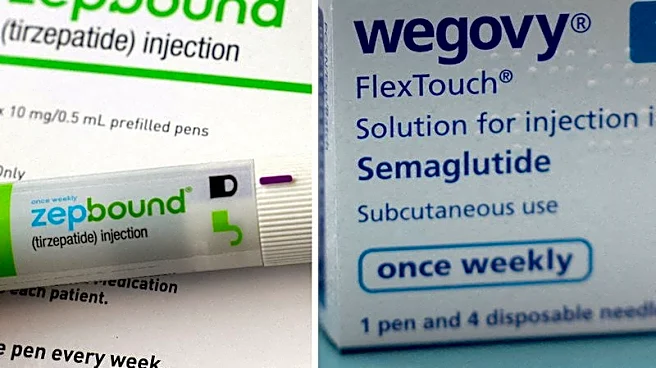
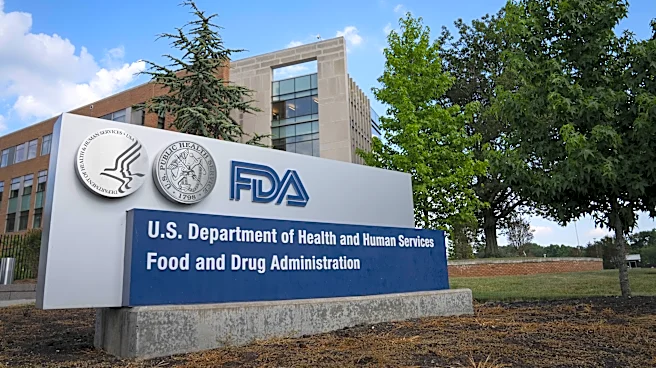
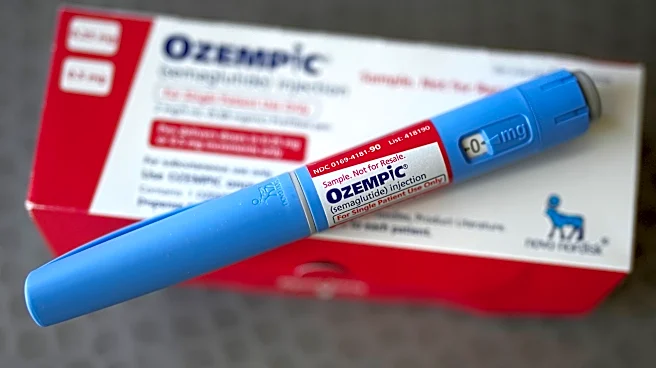
The U.S. Food and Drug Administration (FDA) has announced a requirement for new safety warnings on all GLP-1 class drugs. This decision comes after the agency identified evidence suggesting a potential increased risk of a rare eye condition known as nonarteritic
anterior ischemic optic neuropathy (NAION). NAION is characterized by sudden vision loss. While the FDA is mandating these warnings, it has also stated that a definitive causal relationship between GLP-1 drugs and NAION has not yet been established. The new warnings aim to inform both healthcare providers and patients about this potential risk, allowing for more informed treatment decisions and vigilance regarding visual symptoms.
Why It's Important?
This FDA mandate is important for several reasons, primarily impacting the pharmaceutical industry, healthcare providers, and patients in the U.S. GLP-1 drugs are widely prescribed for conditions such as type 2 diabetes and obesity, making this a significant safety update for a large patient population. The addition of new warnings could lead to increased scrutiny from prescribers and patients, potentially affecting the prescribing patterns and market dynamics of these popular medications. For pharmaceutical companies manufacturing GLP-1 drugs, this necessitates updates to product labeling and potentially increased pharmacovigilance efforts. Patients currently on or considering GLP-1 therapies will need to be aware of the potential, albeit rare, risk of NAION and discuss any visual changes with their healthcare providers. This action underscores the FDA's ongoing commitment to drug safety monitoring post-market approval.
What's Next?
Following the FDA's requirement, manufacturers of GLP-1 drugs will be obligated to update their product labeling to include the new safety warnings regarding the potential risk of NAION. Healthcare providers will need to integrate this information into their patient counseling, particularly when initiating or continuing GLP-1 therapies. Patients using these medications should be advised to report any sudden vision changes immediately. The FDA will likely continue to monitor adverse event reports related to GLP-1 drugs and NAION to further assess the relationship and prevalence of this condition. This could potentially lead to further guidance or regulatory actions depending on future data. The pharmaceutical industry may also initiate additional studies to better understand this potential link.
Beyond the Headlines
The FDA's decision to issue new warnings, even without a definitively established causal link, highlights the agency's precautionary approach to drug safety. This reflects a broader trend in pharmacovigilance where potential risks, even rare ones, are communicated to ensure patient safety and informed consent. The case of GLP-1 drugs and NAION also illustrates the complexities of identifying rare adverse events in widely used medications, where large patient populations can reveal signals that were not apparent in clinical trials. This situation could prompt a re-evaluation of how post-market surveillance data is collected and analyzed, and how potential risks are communicated to the public, balancing the benefits of effective treatments with the need for comprehensive safety information.