


What's Happening?
The Department of Justice (DOJ) under President Trump's administration has been working to remove noncitizens from voter rolls using a data system that has been criticized for its inaccuracies. Internal communications reveal that the DOJ sought unredacted
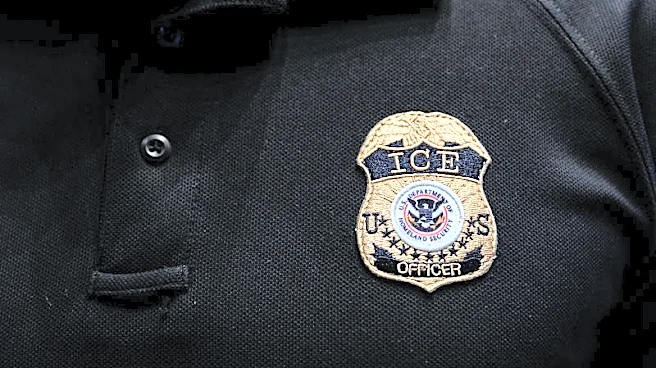
voter registration information from states, leading to lawsuits against 31 election chiefs. The DOJ intended to use a citizenship verification system operated by the Department of Homeland Security (DHS), but faced resistance from states and legal challenges. The initiative has been criticized for potentially violating federal privacy laws and for attempting to centralize control over state-run elections.
Why It's Important?
This initiative by the DOJ raises significant concerns about voter privacy and the balance of power between federal and state authorities in managing elections. The effort to centralize voter roll management could undermine state autonomy and lead to disenfranchisement if eligible voters are incorrectly identified as noncitizens. The legal challenges and resistance from states highlight the contentious nature of federal involvement in election processes, which could have implications for future elections and voter trust in the electoral system.
What's Next?
The ongoing legal battles and the DOJ's plans to use DHS data for voter roll verification are likely to continue, with potential appeals reaching higher courts. The outcome of these cases could set precedents for federal authority in election management. Additionally, the administration's actions may prompt legislative responses or further scrutiny from civil rights organizations concerned about voter suppression and privacy violations.