





What's Happening?
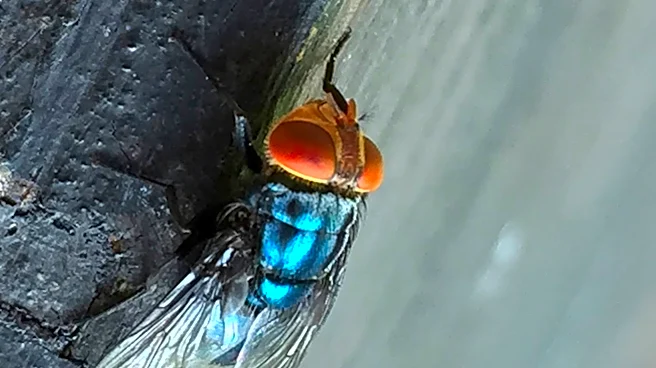
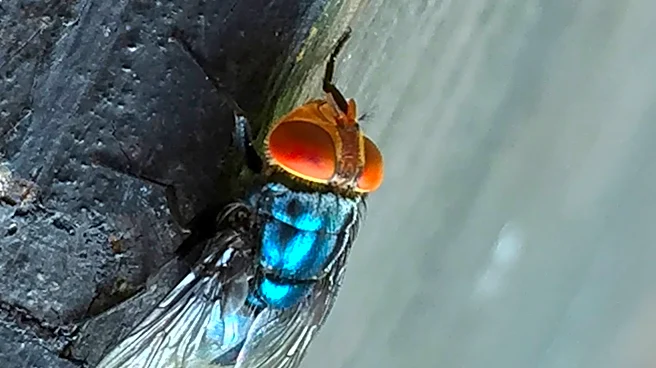
The Oklahoma Department of Agriculture, Food, and Forestry (ODAFF) is actively monitoring confirmed cases of New World Screwworm in Texas and New Mexico. The United States Department of Agriculture (USDA) identifies the screwworm as an invasive species
whose larvae infest open wounds of livestock and other mammals. Although the pest can infect livestock, pets, wildfowl, and humans, it does not affect Oklahoma's food supply. The USDA clarifies that the screwworm is not contagious and does not spread directly between animals or from animals to humans. ODAFF has implemented travel restrictions for species moving from infested states or zones. Animals from infested states but not zones can enter Oklahoma with a Certificate of Veterinary Inspection (CVI) stating they do not originate from or transit through an infested zone. Animals from infested zones must meet specific movement requirements, obtain a permit from the Oklahoma State Veterinarian's office, and have a CVI confirming they are free of wounds.
Why It's Important?
The monitoring of New World Screwworm cases is crucial for protecting Oklahoma's livestock industry and preventing potential economic losses. The screwworm poses a significant threat to livestock health, which could lead to substantial financial impacts if not controlled. The USDA has previously estimated that an outbreak could cost Oklahoma up to $1.8 billion. By implementing travel restrictions and monitoring efforts, ODAFF aims to prevent the spread of this invasive species into Oklahoma, safeguarding the state's agricultural sector. The proactive measures also help maintain public confidence in the safety and quality of Oklahoma's livestock products.
What's Next?
ODAFF will continue to monitor the situation closely and enforce travel restrictions to prevent the spread of the screwworm into Oklahoma. Livestock owners and veterinarians are encouraged to report any suspected cases to the State Veterinarian's office or local extension educators. Continued vigilance and cooperation from the agricultural community will be essential in managing the threat posed by the screwworm. Further actions may include increased inspections and public awareness campaigns to educate stakeholders about the risks and prevention strategies associated with the screwworm.