



What's Happening?
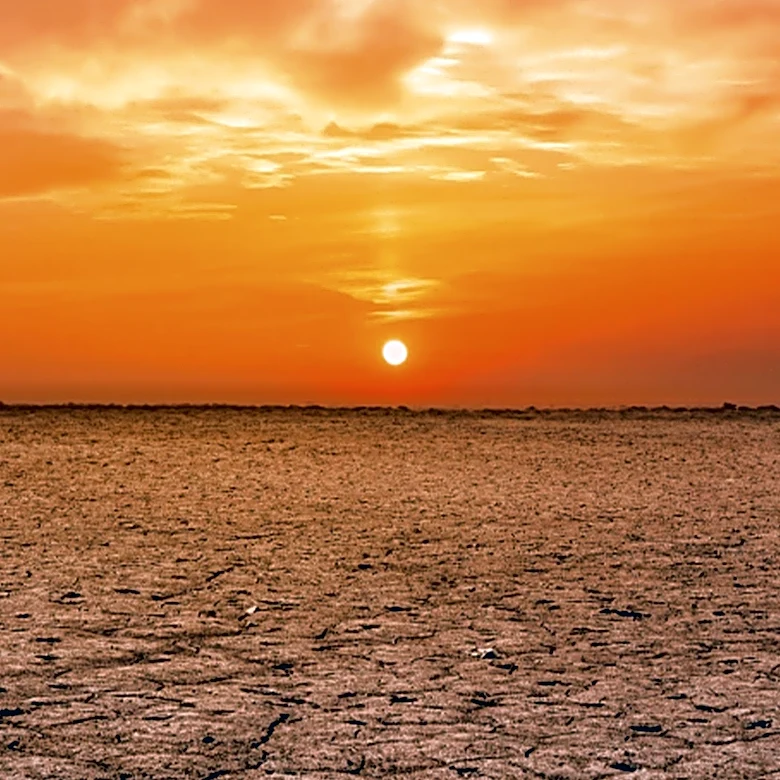
Drought conditions in Iowa have continued to improve, with the area experiencing moderate drought shrinking from nearly seven percent to approximately two percent, according to the latest U.S. Drought Monitor report. This reduction is largely attributed
to recent September rains. The majority of the remaining moderate drought is concentrated in Woodbury and Monona counties, with minor pockets in Harrison and Plymouth counties. Furthermore, the amount of abnormally dry area across the state has decreased to 12.4%, a substantial drop from over 49% at the beginning of the calendar year. As a result, nearly 88% of Iowa is now free from dry conditions, marking an increase of almost two percent from the previous week. The U.S. Drought Monitor's data reflects conditions up to Tuesday and does not yet account for rainfall received since then.
Why It's Important?
The receding drought conditions in Iowa are critically important for the state's agricultural sector, which is a cornerstone of its economy. Reduced drought intensity means better soil moisture for crops, potentially leading to improved yields and reduced stress on livestock. This positive development can alleviate financial burdens on farmers who have been contending with dry spells, impacting their operational costs and overall profitability. The improvement also benefits water resources, ensuring more stable supplies for municipal use and ecosystems. A healthier agricultural outlook in Iowa contributes to the broader U.S. food supply chain stability and can positively influence commodity prices. Conversely, persistent drought in even small areas can still pose challenges for local economies and agricultural producers in those specific regions, highlighting the uneven impact of weather patterns.
What's Next?
While current trends are positive, the long-term outlook for Iowa's drought conditions will depend on continued precipitation patterns. Farmers and agricultural agencies will closely monitor upcoming weather forecasts to assess the sustainability of these improvements. The U.S. Drought Monitor will release updated reports, which will provide further insights into how recent and future rainfall affects the state's water levels and soil moisture. Local water management authorities will continue to implement strategies to conserve water and prepare for potential future dry periods, even as current conditions improve. The receding drought may also influence planting decisions for the next growing season, with farmers potentially having more flexibility in crop choices due to more favorable soil conditions.
Beyond the Headlines
The fluctuating drought conditions in Iowa underscore the increasing variability of weather patterns, which has broader implications for agricultural resilience and climate adaptation strategies across the U.S. The ability of regions to recover from drought quickly, as seen in Iowa, highlights the importance of robust water management infrastructure and sustainable farming practices. This situation also brings to light the interconnectedness of regional weather events with national economic stability, particularly in sectors heavily reliant on natural resources. The ongoing need for accurate and timely drought monitoring data, like that provided by the U.S. Drought Monitor, is crucial for informed decision-making by policymakers, farmers, and communities in mitigating the impacts of climate variability and ensuring long-term food security.