





What's Happening?
Philipp Schweizer has developed a method to integrate traditional wired doorbells into modern smart home systems, specifically Home Assistant, using Zigbee communication. The project focuses on modifying existing 'dumb' doorbells, such as the Vistadoor
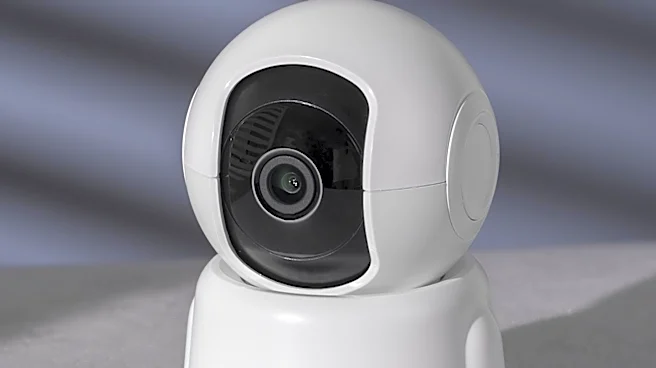
ADV-100, by tapping into their internal wiring to detect when the doorbell is rung. Schweizer utilizes the ESP32-H2 microcontroller, which is notable for its 802.15.4 radio supporting Thread and Zigbee, but lacking Wi-Fi connectivity. This setup allows for seamless notification delivery to Home Assistant without interfering with the doorbell's original chiming function. The project also enables advanced automations, such as triggering a smart camera to capture an image when the doorbell is activated.
Why It's Important?
This innovation is significant for homeowners looking to upgrade their existing infrastructure without replacing functional appliances. It offers a cost-effective and environmentally friendly alternative to purchasing new smart doorbells, reducing electronic waste. For the smart home ecosystem, it expands the compatibility of Home Assistant and other platforms with a wider range of legacy devices, promoting interoperability and customization. The use of Zigbee, a low-power wireless standard, also contributes to energy efficiency in smart home setups. This project empowers users with greater control over their home automation, allowing them to create personalized routines and enhance security features by integrating simple, yet crucial, household devices into their smart networks.
What's Next?
The detailed instructions provided by Philipp Schweizer are likely to inspire other DIY enthusiasts to replicate and adapt this project for their own wired doorbells. This could lead to a proliferation of similar hacks, further expanding the capabilities of smart home systems. The project's success might also encourage manufacturers of smart home devices to consider offering more open and customizable solutions that cater to existing hardware, rather than pushing for complete system overhauls. Future developments could include more sophisticated integrations, such as voice notifications, automated responses, or even AI-powered visitor recognition, all triggered by the simple act of ringing a doorbell. The focus on Zigbee could also drive further adoption and development of this wireless standard in the smart home market.
Beyond the Headlines
This project highlights a broader trend of 'retrofitting' older technologies with modern smart capabilities, bridging the gap between legacy systems and the Internet of Things. It underscores the value of open-source hardware and software communities in driving innovation and providing practical solutions for everyday problems. The ability to 'hack' and customize devices fosters a sense of empowerment among consumers, moving away from a purely consumption-driven model towards one of creation and modification. Ethically, it promotes sustainability by extending the lifespan of existing products and reducing the need for new purchases. Culturally, it reinforces the idea that technology can be adapted to serve individual needs and preferences, rather than dictating them, fostering a more personalized and user-centric technological landscape.