



What's Happening?
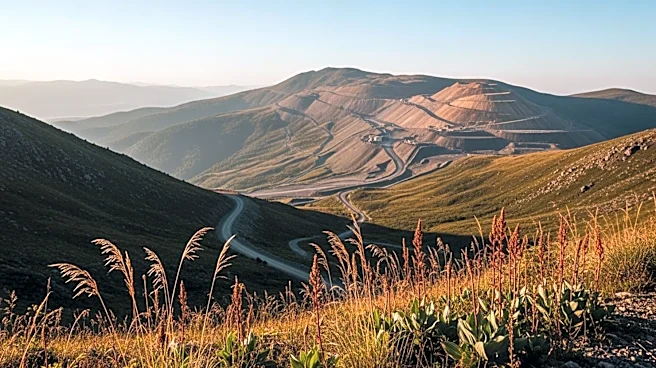
A coalition of environmental organizations has filed a lawsuit against the U.S. Forest Service, challenging the approval of an exploratory mining project in the Cabinet Mountains, Montana. The lawsuit, filed by Earthjustice on behalf of six environmental groups,
argues that the Forest Service and the Fish and Wildlife Service failed to adequately assess the environmental impact of the Montanore Minerals Corporation's mining operations. The primary concern is the potential harm to local wildlife, particularly the threatened bull trout and grizzly bear populations. The lawsuit highlights that the mine's wastewater could increase nitrogen levels and water temperatures in Libby Creek, a critical habitat for bull trout. Additionally, the project could disrupt the habitat of the Cabinet-Yaak grizzly bear population. The approval process, expedited under the Trump administration's FAST Act, is also under scrutiny for insufficient environmental review.
Why It's Important?
The lawsuit underscores the ongoing tension between environmental conservation efforts and industrial development. The Cabinet Mountains are home to unique ecosystems and endangered species, making the potential environmental impact of mining operations a significant concern. The case highlights the broader implications of regulatory decisions on environmental protection and the balance between economic development and conservation. If successful, the lawsuit could set a precedent for how environmental assessments are conducted for future mining projects, potentially leading to stricter regulations and more comprehensive evaluations. The outcome could affect stakeholders in the mining industry, environmental advocacy groups, and local communities dependent on natural resources.
What's Next?
The legal proceedings will determine whether the Forest Service's approval of the mining project will be overturned or if additional environmental assessments will be required. The case may prompt further scrutiny of the FAST Act's application to mining projects and its impact on environmental review processes. Stakeholders, including environmental groups, the mining industry, and government agencies, will be closely monitoring the case's progress. The decision could influence future policy discussions on balancing economic development with environmental conservation, potentially leading to legislative changes or new regulatory frameworks.
Beyond the Headlines
The lawsuit raises questions about the ethical responsibilities of government agencies in protecting endangered species and preserving natural habitats. It also highlights the potential long-term ecological consequences of industrial activities in sensitive areas. The case may prompt a reevaluation of how environmental compliance histories of companies are considered in project approvals. Additionally, it could lead to increased public awareness and advocacy for stronger environmental protections, influencing cultural attitudes towards conservation and sustainable development.