






What's Happening?
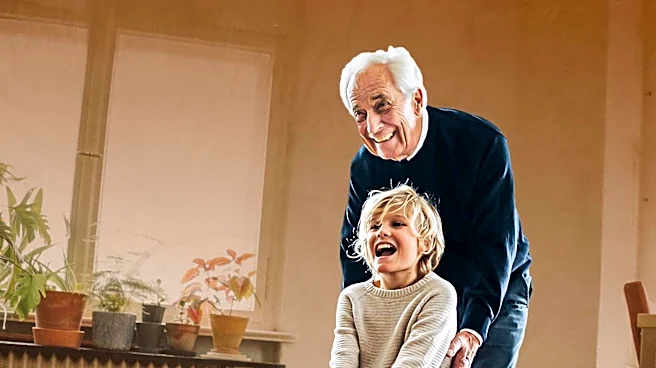
A growing number of grandparents in the U.S. are stepping into parenting roles, often due to circumstances such as a child's death, drug use, or health issues. Vicki and Sal Parisella, a couple in their late 50s and 70s, are among the 1.1 million U.S. grandparents who
have taken on the responsibility of raising their grandchildren. Living in Lakeland, Florida, they care for their two granddaughters, Myaliissa and Tatiana, after their daughter's relationship fell apart. Despite the challenges, including financial strain and the lack of legal parental rights, the Parisellas are committed to providing a stable home for their granddaughters. They face daily struggles, such as managing household expenses and dealing with legal complexities, as they strive to avoid the foster care system and ensure a promising future for the children.
Why It's Important?
This situation highlights a significant social issue where grandparents are increasingly becoming primary caregivers, often without adequate financial or legal support. The Parisellas' story underscores the broader challenges faced by many grandparents who sacrifice their retirement plans and financial security to care for their grandchildren. This trend has implications for social services and public policy, as these families often do not qualify for the same benefits as foster parents. The lack of support can lead to financial instability and emotional stress, affecting both the caregivers and the children. This issue calls for a reevaluation of policies to provide better support and resources for grandparents in these roles.
What's Next?
The Parisellas, like many grandparents in similar situations, hope to secure permanent custody of their grandchildren. However, the legal process is complex and costly, often requiring the relinquishment of parental rights by the children's parents. As they navigate these challenges, there is a need for increased advocacy and policy changes to support grandparents who are primary caregivers. This could include financial assistance, legal aid, and community resources to help them provide stable and nurturing environments for their grandchildren.
Beyond the Headlines
The increasing number of grandparents raising grandchildren reflects broader societal issues, such as the opioid crisis and economic instability, which contribute to family disruptions. This trend also raises questions about the long-term impacts on both the caregivers and the children, including potential health and developmental challenges. As the population ages, the role of grandparents in family structures may continue to evolve, necessitating new approaches to social support systems and family law.