




What's Happening?
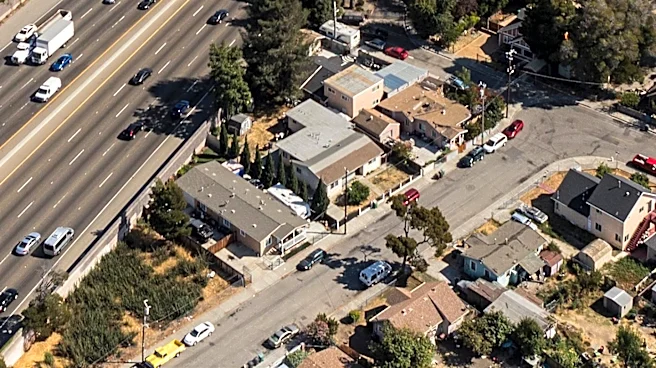
Jane Jacobs, an influential urban activist without formal urban planning credentials, successfully thwarted Robert Moses' ambitious Lower Manhattan Expressway project. Moses, a powerful but unelected New York official, had planned for an elevated, ten-lane
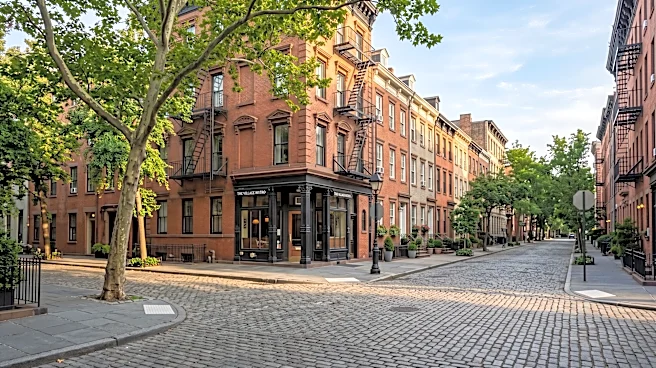
highway to cut through neighborhoods like SoHo and Greenwich Village, including Washington Square Park. Jacobs, who lived in Greenwich Village, recognized the detrimental impact such a project would have on established communities and their unique character. She organized rallies and protests, mobilizing residents against the proposed expressway. Her efforts, alongside those of numerous community members, ultimately led to the cancellation of Moses' plans, preserving the historic architecture and community fabric of these areas. This activism highlighted a significant clash between top-down urban renewal strategies and community-led preservation efforts in New York City.
Why It's Important?
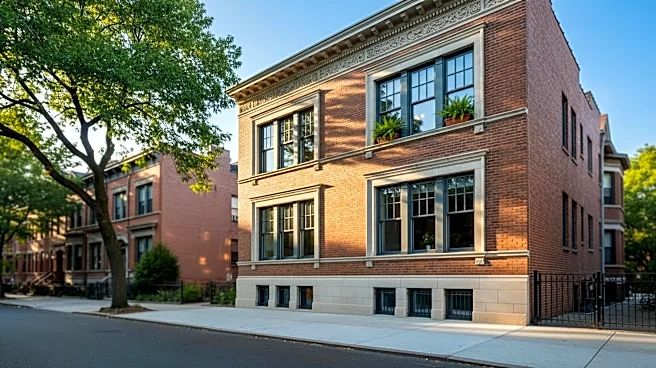
This event is a landmark in U.S. urban planning history, demonstrating the power of grassroots activism against large-scale government projects. Jane Jacobs' success in stopping the Lower Manhattan Expressway fundamentally altered the trajectory of urban development in New York City and influenced urban planning philosophies nationwide. Her advocacy for mixed-use developments, walkable neighborhoods, and the preservation of existing community structures challenged the prevailing modernist approach to urban renewal, which often prioritized large infrastructure projects over community well-being. The preservation of areas like SoHo, with its unique cast-iron architecture, has had lasting economic and cultural benefits, contributing to New York City's identity as a vibrant and diverse metropolis. This outcome underscored the importance of citizen participation in shaping urban environments and set a precedent for future community-led preservation movements across the country.
What's Next?
The legacy of Jane Jacobs' activism continues to influence contemporary urban planning and community development. Her ideas, articulated in her book 'The Death and Life of Great American Cities,' remain a cornerstone for discussions on sustainable urban growth, community engagement, and the human-centric design of cities. Future urban projects in the U.S. are likely to face increased scrutiny from community groups, drawing inspiration from Jacobs' successful challenge to powerful authorities. This historical precedent suggests that large-scale infrastructure proposals will continue to be met with organized resistance if they are perceived to threaten established neighborhoods or community interests. The ongoing debate between development and preservation will likely see continued emphasis on balancing economic progress with social and cultural considerations, with community input playing a crucial role in decision-making processes.
Beyond the Headlines
The confrontation between Jane Jacobs and Robert Moses represents a deeper philosophical conflict regarding the nature of urban development and governance. Moses embodied a technocratic, top-down approach, believing that expert planners should dictate urban form for the greater good, often at the expense of existing communities. Jacobs, conversely, championed a bottom-up, organic view of cities, emphasizing the intricate social networks and informal systems that make neighborhoods thrive. Her victory was not just about stopping a highway; it was a triumph for democratic participation in urban planning and a re-evaluation of what constitutes a 'healthy' city. This shift in perspective has had profound ethical and cultural implications, fostering a greater appreciation for historical preservation, local character, and the intangible qualities that contribute to a community's sense of place. It also highlighted the potential for unelected officials to wield immense power and the necessity of checks and balances, even in urban development.