



What's Happening?
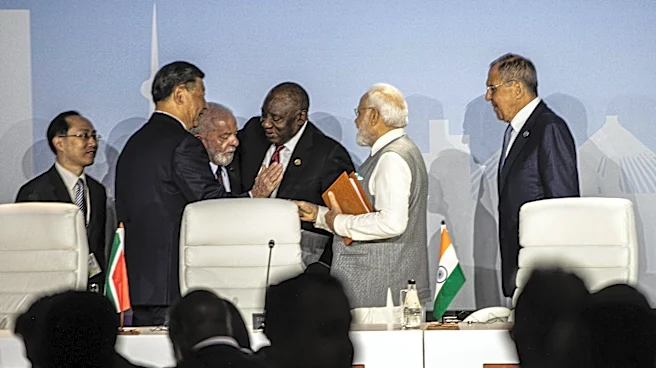
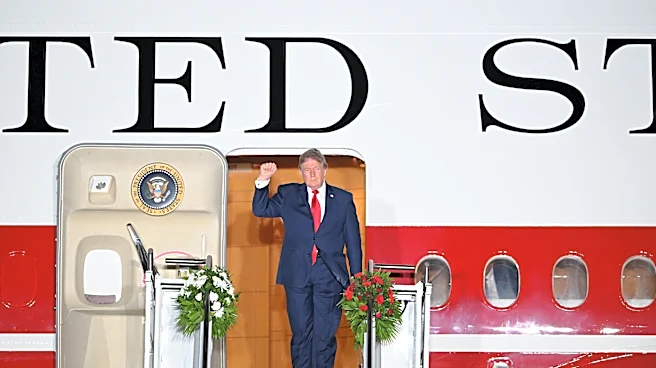
Negotiations for a global plastics treaty have reached a deadlock, with the United States aligning with a group of oil- and plastic-producing states, including Saudi Arabia, Russia, Iran, and China. This alignment is hindering progress on provisions aimed
at reducing plastic production. A total of 145 countries have expressed support for such provisions, with Rwanda and Peru proposing a global target to cut plastic production by 40% by 2040 against a 2025 baseline. The Environmental Justice Foundation (EJF) warns that plastic production is a significant contributor to climate change, emitting over two billion tonnes of CO2e annually, which is double the emissions from aviation. The petrochemical industry is increasingly relying on plastics as a hedge against the electrification of transport and power, with the sector projected to account for 20% of global oil consumption by 2050, up from approximately 12% today. Government subsidies to the petrochemical sector exceeded US$80 billion in 2024.
Why It's Important?
The U.S. stance in the global plastics treaty negotiations has significant implications for international efforts to combat climate change and plastic pollution. By aligning with major oil and plastic-producing nations, the U.S. is contributing to the stagnation of a treaty that aims to curb plastic production, a key driver of greenhouse gas emissions. The petrochemical industry's pivot to plastics as oil demand for transport and energy declines means that without a strong global treaty, plastic production and its associated emissions are projected to nearly triple by 2060. This trajectory could consume over half of the remaining 1.5°C carbon budget between 2026 and 2050, making it increasingly difficult to meet Paris Agreement targets. The continued subsidization of the petrochemical sector, with over US$80 billion in 2024, further incentivizes this expansion, impacting global environmental health and the U.S.'s role in international climate leadership.
What's Next?
The Environmental Justice Foundation is urging governments at COP31 to recognize plastic production as a major cause of climate change and to address it within the UN climate process. They are also calling for the inclusion of measures to cut plastic production and end subsidies to the petrochemical sector in national climate plans, as well as a rejection of new investments in plastic production capacity. The ongoing deadlock in negotiations suggests that future rounds will likely face similar challenges unless there is a shift in the positions of key nations, including the U.S. The outcome of these negotiations will determine the global framework for managing plastic pollution and its impact on climate change, with potential long-term consequences for environmental policy and industrial practices worldwide.
Beyond the Headlines
The U.S.'s alignment with oil-producing nations in the plastics treaty negotiations highlights a broader tension between economic interests and environmental sustainability. The petrochemical industry's strategic shift towards plastics as a hedge against electrification underscores the deep entanglement of fossil fuel industries with global material production. This situation raises ethical questions about the responsibility of developed nations and major industrial players in addressing global environmental crises. The presence of a significant number of fossil fuel and chemical industry lobbyists at the negotiations, outnumbering combined delegations from the EU and its member states, points to the powerful influence of these sectors on international policy-making. This dynamic could lead to a prolonged struggle over the future of plastic production, potentially delaying crucial climate action and exacerbating environmental degradation.