



What's Happening?
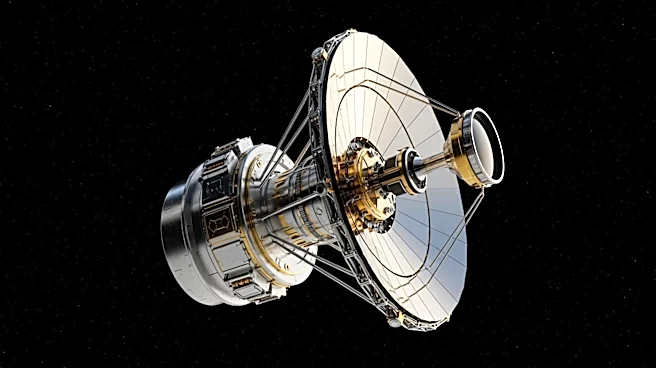
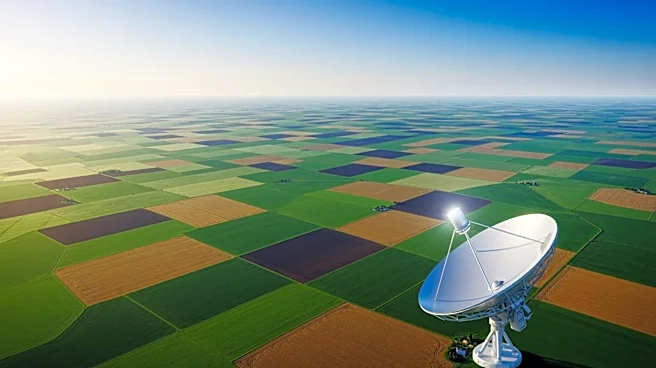
NASA is expanding its role beyond space exploration by leveraging satellite technology to support agriculture through its Harvest and Acres programs. These initiatives use satellite remote sensing to provide farmers and policymakers with critical data
on crop conditions, weather impacts, and global food supply risks. Mike Humber, a leader in these programs, highlights the use of over 50 years of satellite data to analyze long-term agricultural trends. This data helps forecast outcomes and allows farmers to make informed decisions in the face of risks such as drought, frost, and shifting weather patterns. Additionally, NASA's satellite imagery is crucial during global conflicts or disasters, enabling researchers to assess crop damage and monitor food production without on-the-ground access.
Why It's Important?
The integration of satellite technology into agriculture is significant as it provides a data-driven approach to managing agricultural risks and improving food security. By offering insights into weather patterns and supply chain disruptions, NASA's programs help farmers optimize their operations and mitigate the impacts of climate change and geopolitical tensions. This technological advancement supports the agricultural sector in navigating complex challenges, ensuring a more resilient food supply chain. The ability to monitor and respond to global agricultural conditions in real-time is crucial for maintaining stability in food production and distribution, which is vital for economic and social well-being.
What's Next?
As NASA continues to refine its satellite technology, the agricultural sector can expect more precise and actionable insights. Future developments may include enhanced predictive models for weather and crop yield, further aiding farmers in strategic planning. Policymakers and industry leaders are likely to increasingly rely on this data to shape agricultural policies and strategies. The ongoing collaboration between NASA and agricultural stakeholders will be essential in addressing future challenges posed by climate change and global conflicts, ensuring sustainable food production and security.
Beyond the Headlines
The use of satellite technology in agriculture also raises questions about data privacy and the ethical implications of remote monitoring. As these technologies become more integrated into agricultural practices, there will be a need for clear guidelines on data usage and ownership. Additionally, the reliance on satellite data may highlight disparities in technology access between developed and developing regions, potentially widening the gap in agricultural productivity and food security. Addressing these issues will be crucial to ensuring equitable benefits from technological advancements in agriculture.