








What's Happening?
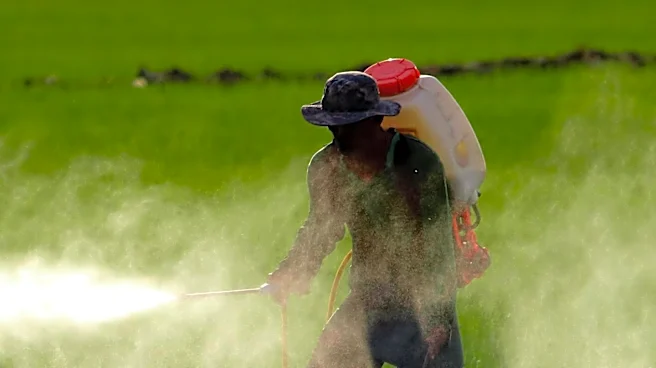
The California Department of Pesticide Regulation (DPR) has released its Annual Pesticide Use Report for 2024, indicating a long-term trend of declining use of high-risk pesticides over the past decade. While there was a slight 2% increase in total pesticide use by
weight and a 4% increase in cumulative acres treated between 2023 and 2024, the overall 10-year trend shows significant reductions in pesticides posing higher risks to human and environmental health. Specifically, the use of pesticides regulated as carcinogens decreased by 28%, cholinesterase inhibitors by 43%, fumigants by 26%, groundwater contaminants by 78%, reproductive toxins by 38%, and toxic air contaminants by 29%. DPR Director Karen Morrison emphasized that accurate tracking and evaluation of pesticide use are crucial for transparency, local decision-making, and advancing sustainable pest management. The report also noted an increase in the use of biopesticides and oils, which are considered lower-risk alternatives.
Why It's Important?
This report is significant for public health and environmental policy in California, demonstrating a measurable success in reducing exposure to hazardous chemicals. The substantial decline in the use of pesticides classified as carcinogens, reproductive toxins, and groundwater contaminants suggests that regulatory efforts and shifts in agricultural practices are having a positive impact. This trend could lead to improved public health outcomes, particularly for agricultural workers and communities living near farming areas, by reducing their exposure to harmful substances. Environmentally, the decrease in groundwater and air contaminants is crucial for protecting natural resources and biodiversity. The increase in biopesticide use also signals a move towards more sustainable and ecologically friendly agricultural methods, potentially setting a precedent for other states. This data provides a strong foundation for policymakers to continue supporting and expanding initiatives that promote safer pest management practices.
What's Next?
The California DPR will continue to use its comprehensive pesticide use reporting program to inform ongoing evaluations of pesticide use trends and to guide mitigation and regulatory efforts. The observed increase in biopesticides and oils suggests a continued push towards lower-risk alternatives, which may be further encouraged through incentives or regulatory frameworks. Future reports will likely monitor whether the slight increase in overall pesticide use between 2023 and 2024 was an anomaly due to factors like increased acreage after severe flooding, or if it represents a shift that needs to be addressed. The success in California's long-term decline in high-risk pesticide use could serve as a model for other states and federal agencies considering similar initiatives to protect public health and the environment. Continued transparency and data-driven decision-making will be key to sustaining these positive trends and adapting to new challenges in pest management.
Beyond the Headlines
The California DPR's report reflects a broader societal shift towards greater environmental consciousness and public health protection in agricultural practices. The state's comprehensive pesticide use reporting program, established in 1990, stands as a testament to the long-term commitment required to track and influence such complex environmental issues. This initiative highlights the power of robust data collection and transparency in driving policy changes and fostering accountability within the agricultural sector. The move towards biopesticides and other lower-risk options also signifies an evolving understanding of pest management, moving away from solely chemical-intensive approaches to more integrated and sustainable solutions. This could have long-term implications for agricultural innovation, encouraging research and development into eco-friendly farming techniques and potentially influencing consumer demand for produce grown with reduced chemical inputs. The report underscores the continuous effort needed to balance agricultural productivity with ecological and human health imperatives.