
What's Happening?
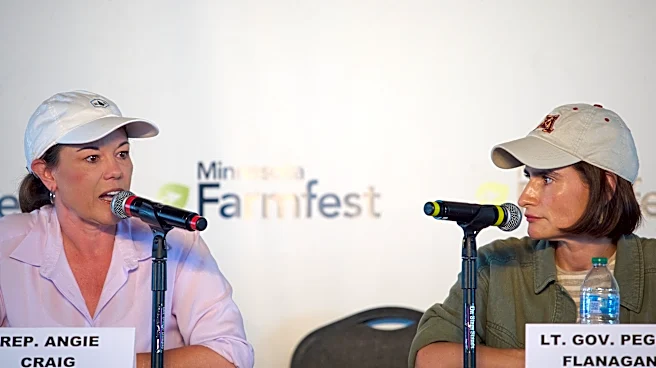
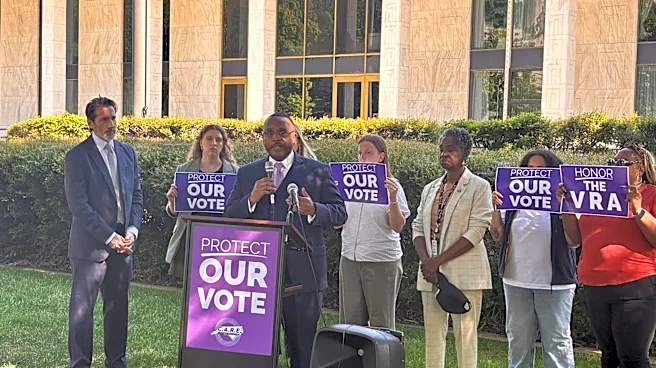
Minnesota's primary election is scheduled for August 11, 2026, with polls open from 7 a.m. to 8 p.m. This election is significant due to the open races for governor and the U.S. Senate. The primary will
determine the candidates for the general election in November. Voters can participate through early in-person voting, absentee ballots, or in-person voting on Election Day. Minnesota is an open primary state, allowing voters to choose candidates from any party, but they must stick to one party per ballot in partisan races. The primary features crowded fields, with notable candidates in both the Republican and Democratic parties.
Why It's Important?
The primary election is crucial as it sets the stage for the general election, influencing the political landscape in Minnesota. With open races for governor and the U.S. Senate, the outcomes could shift the balance of power in the state. The election also serves as a barometer for voter sentiment on key issues such as economic policy, healthcare, and education. The participation and choices of voters in the primary will shape the political discourse leading up to the general election, impacting policy decisions and governance in Minnesota.
What's Next?
Following the primary, the focus will shift to the general election in November, where the selected candidates will campaign to secure their positions. Political parties will strategize to mobilize voters and address key issues that resonate with the electorate. The results of the primary will also influence campaign strategies, as candidates adjust their platforms to appeal to a broader audience. Voter turnout and engagement will be critical factors in determining the outcomes of the general election.