





What's Happening?
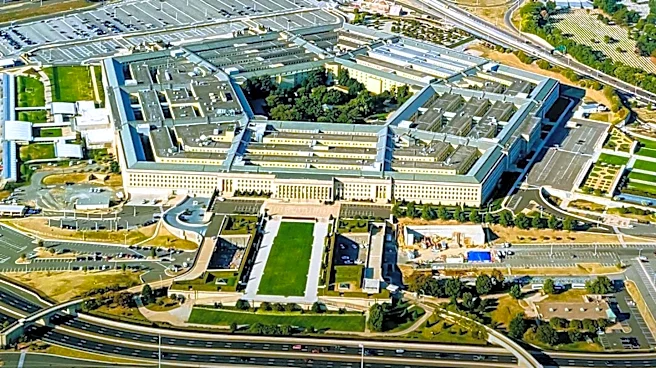
Congressman Pat Ryan, an Iraq War veteran, has accused Secretary of Defense Pete Hegseth and President Trump of a cover-up concerning the deaths of U.S. service members in the Iran War. According to Ryan, new reports indicate that the Pentagon has concealed
an additional four American service member deaths, bringing the total to 22. Ryan asserts that instead of honoring these sacrifices, the administration is attempting to 'sweep it under the rug' to downplay their leadership failures, particularly ahead of an election. In response, Ryan, alongside U.S. Senator Tammy Duckworth, has introduced bicameral legislation called the 'Honoring the Sacrifices of Our Troops in War Act.' This bill aims to prevent the Secretary of Defense from manipulating casualty records and jeopardizing military families' benefits. The legislation seeks to ensure accurate public statistics on casualties, ban arbitrary recategorization of contingency operations, prevent manipulation of casualty records, restore records for fallen and wounded heroes in the Iran War, and prohibit the cutting of benefits for troops and civilian personnel.
Why It's Important?
This development is significant as it directly challenges the transparency and accountability of the U.S. government regarding military casualties. If the allegations of a cover-up are true, it could erode public trust in official reporting on the human cost of war and raise serious questions about the administration's commitment to its service members and their families. The proposed 'Honoring the Sacrifices of Our Troops in War Act' highlights a critical need for standardized and transparent reporting mechanisms for military deaths and injuries. The manipulation of casualty records could have profound implications for the benefits and recognition afforded to military families, potentially denying them rightful support. Furthermore, the accusation of downplaying war casualties for political gain could influence public perception of ongoing military engagements and impact future policy decisions regarding military interventions and resource allocation. This situation underscores the ongoing tension between national security interests and the public's right to accurate information about military operations.
What's Next?
The immediate next step involves the push for the passage of the 'Honoring the Sacrifices of Our Troops in War Act' in Congress. Congressman Ryan and Senator Duckworth are urging Congressional Republicans to support the legislation to prevent further alleged manipulation of casualty records. The bill's passage would mandate the Department of Defense to publish and frequently update casualty statistics, prohibit the arbitrary recategorization of conflicts, and ensure the restoration of casualty records and benefits for those affected by the Iran War. This legislative effort will likely face scrutiny and debate, particularly given the political implications of the accusations against the current administration. The outcome of this legislative push will determine the extent to which the Pentagon's reporting on war casualties will be reformed and made more transparent. Additionally, the allegations of a cover-up may prompt further investigations or public discourse regarding the administration's handling of military information.
Beyond the Headlines
Beyond the immediate legislative push, this situation touches upon deeper ethical and moral considerations regarding the conduct of war and the treatment of military personnel. The alleged attempt to conceal casualties raises questions about the value placed on human life in times of conflict and the potential for political expediency to overshadow the sacrifices of service members. It also highlights the psychological impact on military families who may feel their loved ones' contributions are being dishonored. The debate over accurate casualty reporting extends to the broader issue of government transparency and the public's right to know the true costs of military actions. This incident could contribute to a long-term shift in how military information is disseminated and scrutinized, potentially leading to increased demands for independent oversight and accountability. The implications could also extend to international relations, as the perceived lack of transparency might affect the credibility of U.S. military operations on the global stage.