



What's Happening?
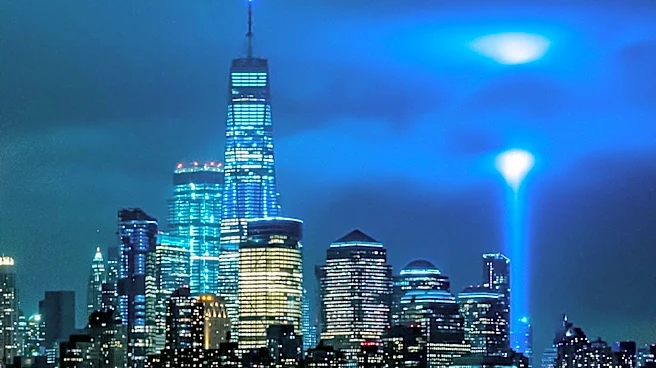
Congressman Vince Fong participated in the 2026 Parade of 1,000 Flags, an event dedicated to commemorating the 25th anniversary of the September 11th attacks. During his address, Fong highlighted the importance of remembering the tragedy and sharing personal
experiences related to 9/11, particularly with younger generations who did not live through the event. He noted the consistent presence of parents and grandparents bringing their children to the parade, underscoring the intergenerational effort to keep the memory alive. Kern County Supervisor Phillip Peters echoed this sentiment, emphasizing the value of such events in allowing young people to hear firsthand accounts and understand the global impact of 9/11. Rear Admiral Keith A. Hash, Commander of NAWS China Lake, also spoke, discussing how core concepts of the United States are passed down through generations, much like historical events such as the Revolution or Civil War eventually transition from living memory to historical record. Hash observed children carrying 50-star flags through Ridgecrest, symbolizing the ongoing remembrance.
Why It's Important?
The continued commemoration of the 9/11 attacks, as exemplified by the Parade of 1,000 Flags, is crucial for maintaining historical awareness and national unity in the United States. As the event recedes further into the past, with a quarter-century now elapsed, there is a growing need to educate younger generations about its significance and impact. This ensures that the lessons learned from the tragedy, including the importance of resilience, community, and national security, are not forgotten. For political figures like Congressman Fong, participation in such events reinforces their connection to constituents and demonstrates a commitment to national remembrance. The involvement of community leaders and military personnel, such as Rear Admiral Hash, further solidifies the event's importance, bridging civilian and military perspectives on national service and sacrifice. The intergenerational aspect of the parade helps to foster a shared national identity and a collective understanding of pivotal moments in U.S. history, ensuring that the memory of 9/11 continues to shape future generations' civic consciousness.
What's Next?
The ongoing tradition of events like the Parade of 1,000 Flags suggests a continued commitment to commemorating significant national events, particularly 9/11, as its anniversaries continue. Future commemorations will likely focus even more on educational initiatives to engage younger generations who have no direct memory of the attacks. This could involve incorporating more interactive elements, educational programs in schools, and digital archives to preserve and share personal stories and historical context. Political leaders and community organizers will likely continue to play a central role in advocating for and participating in these events, ensuring they receive adequate support and visibility. The emphasis on passing down experiences will become increasingly vital, potentially leading to new formats for remembrance that can effectively convey the gravity and lessons of 9/11 to a population that is increasingly removed from the event by time. The focus will shift from direct remembrance to historical education and the preservation of collective memory.
Beyond the Headlines
Beyond the immediate act of remembrance, the 25th anniversary of 9/11 and events like the Parade of 1,000 Flags highlight deeper societal implications regarding collective memory and national identity. The need to actively 'share our experiences' and 'keep the memory alive' speaks to the challenge of maintaining the emotional and historical resonance of a traumatic event across generations. This effort is not merely about recalling facts but about transmitting the cultural and emotional impact of 9/11, which shaped U.S. foreign policy, domestic security, and societal attitudes. The participation of children and grandchildren underscores a deliberate effort to instill a sense of shared history and national purpose. This process of collective memory-making is essential for national cohesion, as it helps define who 'we' are as a nation in response to shared trauma. It also raises questions about how historical narratives are constructed and maintained, and the role of public ceremonies in shaping civic values and patriotism in an evolving society.