


What's Happening?
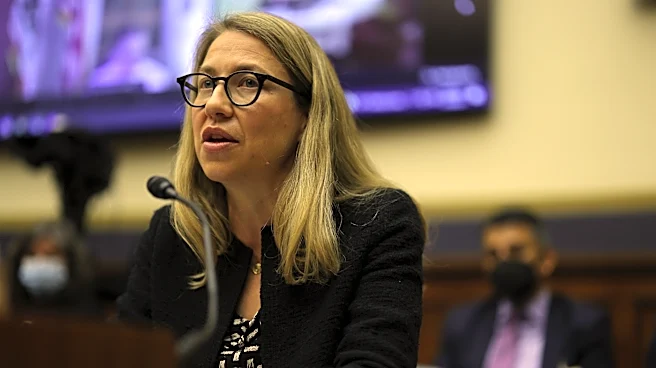
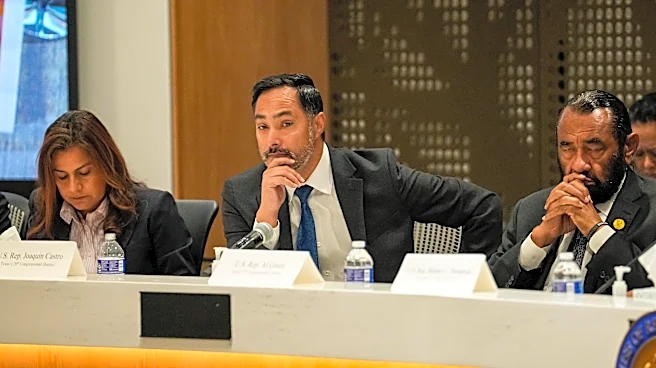
Anoosha Imran, a data analyst at the D.C. Policy Center, testified before the DC Council Committee of the Whole regarding the ongoing issue of chronic absenteeism in District schools. In the 2025-26 school year, 38.8% of D.C. students were chronically
absent, meaning they missed at least 10% of school days. While this is a decrease from the 2021-22 peak of 48%, it remains nearly 10 percentage points higher than the pre-pandemic rate of 29% in 2018-19. The recovery rate has slowed significantly since 2023-24, with annual improvements of less than one percentage point. Imran highlighted that the problem is starting earlier, with chronic absenteeism increasing by 1 percentage point for grades 3-5 and 6-8 in the first months of the 2026-27 school year. This suggests that many students are entering high school with established patterns of chronic absence. Additionally, the definition of 'present' has changed since 2022-23, now counting students who attend 60% of the day as present, compared to 80% before the pandemic, potentially understating the true extent of absence.
Why It's Important?
The persistent high rates of chronic absenteeism in D.C. schools pose a significant threat to student academic achievement and future opportunities. The D.C. Policy Center's analysis reveals that attendance status is 'sticky,' meaning students who are chronically absent one year are highly likely to be so the next, carrying these patterns into high school. This early onset of absenteeism, particularly in elementary and middle school, indicates that current interventions designed for older students may be too late. The long-term consequences extend beyond high school, with a stark disparity in college enrollment rates: 70% of graduates with satisfactory attendance enroll in college, compared to only 30% of those with profound chronic absence. This issue disproportionately affects economically disadvantaged students, whose chronic absenteeism increased by 3.6 percentage points in the early months of the 2026-27 school year, suggesting a weakening of support systems. Addressing this trend is crucial for ensuring educational equity and preparing D.C. students for college and career readiness.
What's Next?
The D.C. Policy Center recommends that the Office of the State Superintendent of Education (OSSE) leverage its monthly Attendance Dashboard to identify schools that have shown improvement and investigate the factors contributing to their success. This includes understanding which students improved and what changes were made in staffing, family outreach, mentoring, or scheduling. The insights gained from these successful schools should then be shared with the broader community to inform district-wide strategies. Given that early data from the first weeks of school are strong predictors of year-long attendance, timely intervention based on these forecasts is crucial. The D.C. Policy Center also suggests that the analysis be updated with each OSSE attendance data release to provide continuous monitoring and allow for adaptive policy responses. The goal is to develop more effective, data-driven interventions that address the evolving patterns of chronic absenteeism, particularly its earlier onset and persistence.
Beyond the Headlines
The issue of chronic absenteeism in D.C. schools reflects deeper societal challenges, including poverty, unstable housing, and the lingering effects of the pandemic on family structures and student engagement. The change in the definition of 'present' attendance, while potentially aimed at improving reported rates, may mask the true severity of disengagement and partial attendance, impacting the effectiveness of support systems. The disproportionate impact on economically disadvantaged students and the potential influence of immigration enforcement on Latino student attendance highlight systemic inequities that require comprehensive, community-wide solutions beyond school-based interventions. Addressing chronic absenteeism effectively demands a holistic approach that tackles root causes, fosters stronger school-family partnerships, and ensures that all students have the necessary resources and support to attend school consistently and thrive academically.