


What's Happening?
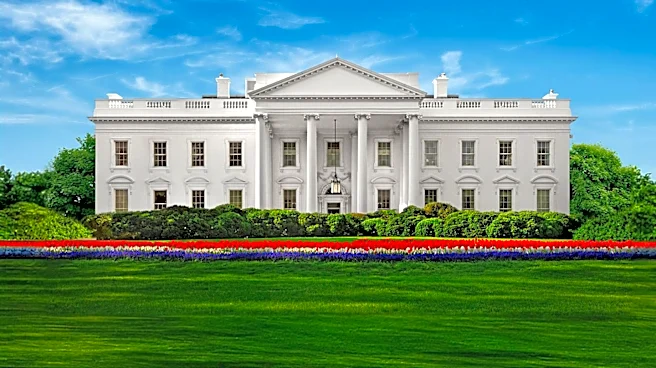
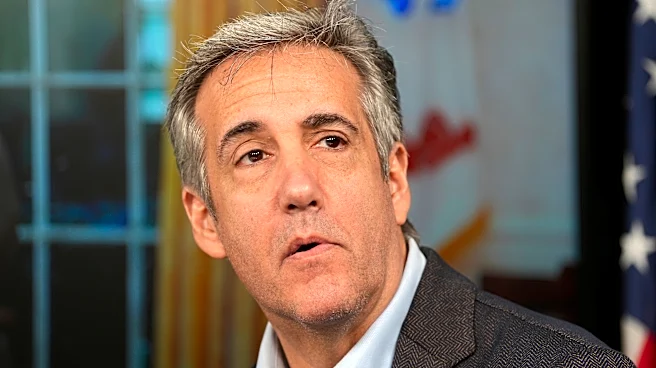
Scott Jennings, a CNN pundit, is reportedly a leading contender to replace Karoline Leavitt as White House press secretary, but strong opposition is emerging from President Trump's allies. These allies are attempting to derail Jennings' potential appointment
due to his long-standing association with Senator Mitch McConnell and his past criticisms of President Trump. Jennings has publicly referred to McConnell as his mentor and managed McConnell's 2002 re-election campaign. Following the January 6, 2021, Capitol riot, Jennings penned an op-ed for CNN stating that President Trump was 'practically and morally responsible' for the violence and described the participants as 'domestic terrorists.' This stance aligns with McConnell's assessment at the time, which is in direct contrast to President Trump's subsequent pardoning of many individuals involved. Despite President Trump's history of forgiving past critics, the opposition from his loyalists highlights a significant hurdle for Jennings' potential appointment. The search for a new press secretary is described as slow-moving, with no clear favorite yet identified.
Why It's Important?
The internal opposition to Scott Jennings for White House press secretary underscores the deep-seated divisions within the Republican party, particularly between the MAGA faction and more traditional conservatives aligned with figures like Senator Mitch McConnell. This situation highlights the premium President Trump's base places on unwavering loyalty, especially concerning events like January 6th. A press secretary's role is crucial for shaping the administration's public image and messaging, and the selection process reveals the ongoing ideological battles that influence staffing decisions at the highest levels of government. The potential appointment of someone perceived as disloyal or critical of President Trump's past actions could alienate a significant portion of his support base, impacting the administration's ability to communicate effectively and maintain internal cohesion. Conversely, choosing a candidate solely based on loyalty might compromise the administration's ability to engage with a broader media landscape and potentially lead to a more insular communications strategy.
What's Next?
The process of selecting a new White House press secretary is ongoing, with no immediate clear favorite. White House Chief of Staff Susie Wiles has met with Jennings and several other potential candidates. Alternatives being promoted by MAGA loyalists include Deputy Press Secretary Anna Kelly, Chief of Protocol Monica Crowley, and Breitbart Washington bureau chief Matt Boyle. Until a permanent replacement is named, the White House is expected to utilize a rotating cast of fill-in briefers, a practice established during Karoline Leavitt's maternity leave. President Trump is also anticipated to continue his practice of taking impromptu questions from the press. The eventual choice will signal the administration's approach to media relations and its internal political dynamics, particularly regarding the balance between loyalty and broader political experience.
Beyond the Headlines
This situation reflects a broader trend in contemporary U.S. politics where ideological purity and personal loyalty to a leader often outweigh traditional qualifications or past political affiliations. The intense scrutiny of Jennings' past comments and associations, particularly his ties to Senator McConnell and his remarks on January 6th, illustrates the unforgiving nature of political alignment within the MAGA movement. This emphasis on absolute loyalty can lead to a narrowing of the talent pool for key government positions, potentially prioritizing ideological conformity over diverse perspectives or extensive experience. The debate over Jennings' suitability also highlights the evolving role of the White House press secretary, which has become increasingly politicized and often serves as a direct extension of the president's communication style and political battles. This trend could further entrench partisan divides in media engagement and public discourse.