





What's Happening?
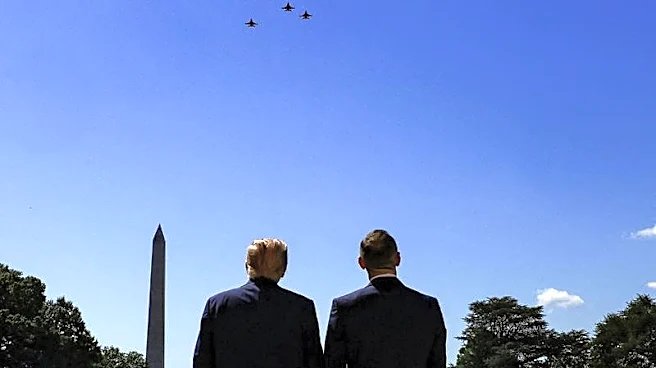
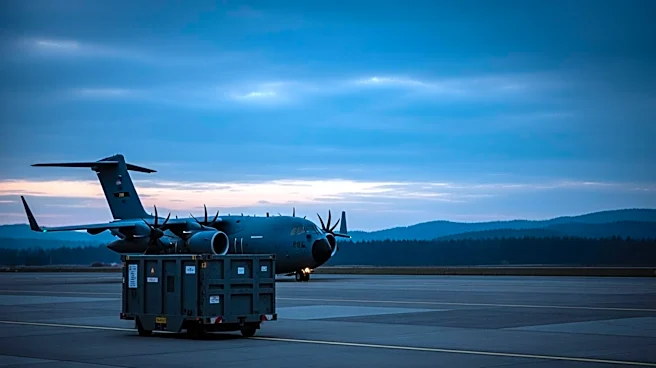
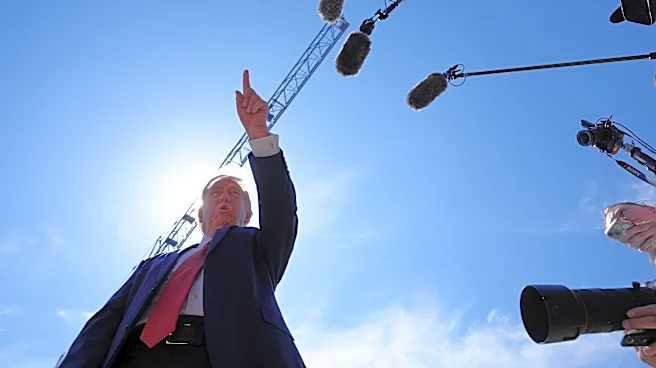
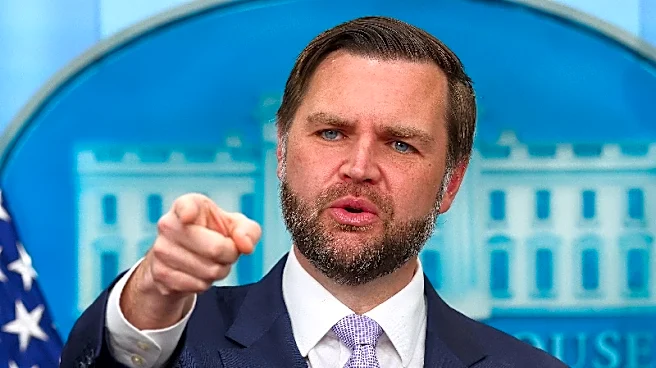
President Trump has announced the deployment of an additional 5,000 U.S. troops to Poland. This decision marks a significant shift from previous plans to reduce the U.S. military presence in Europe. The announcement was made on Thursday and has introduced
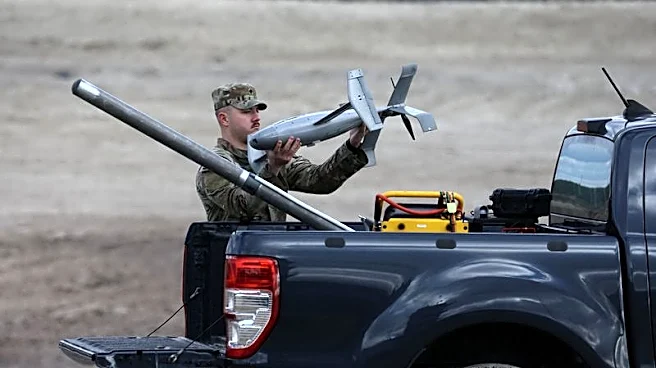
further uncertainty regarding the U.S. military strategy in the region. The move comes amid ongoing geopolitical tensions and reflects a potential recalibration of U.S. defense commitments in Eastern Europe. The deployment is part of a broader strategy to bolster NATO's eastern flank, particularly in response to perceived threats from Russia. This decision has been met with mixed reactions, as it contrasts with earlier efforts by the Trump administration to scale back military engagements abroad.
Why It's Important?
The deployment of additional troops to Poland is significant for several reasons. It underscores the U.S. commitment to NATO and its allies in Eastern Europe, particularly in the face of Russian aggression. This move could strengthen deterrence against potential threats in the region, providing reassurance to NATO members. However, it also raises questions about the U.S.'s long-term military strategy and resource allocation. The decision may impact U.S.-Russia relations, potentially escalating tensions. Additionally, it reflects internal policy shifts within the Trump administration, highlighting the complexities of balancing domestic and international military commitments. The deployment could influence future defense spending and strategic priorities, affecting both military and diplomatic relations.
What's Next?
The next steps following this announcement will likely involve logistical planning for the troop deployment and coordination with Polish authorities. The U.S. military will need to ensure that the necessary infrastructure and support systems are in place to accommodate the additional forces. There may also be diplomatic discussions with NATO allies to align on strategic objectives and address any concerns. The deployment could prompt reactions from Russia, potentially leading to increased military activities or diplomatic engagements. Monitoring the situation will be crucial to assess the impact on regional stability and international relations. Further announcements from the Trump administration may clarify the broader strategic intentions behind this decision.