




What's Happening?
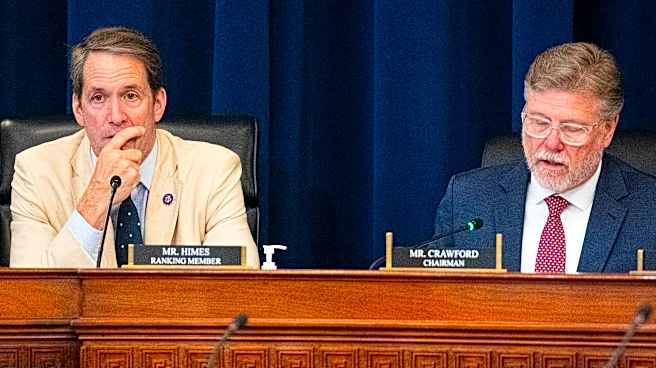
Congressional oversight of federal agencies is expected to intensify, with potential for increased tension between the legislative and executive branches. Emily Murphy, Senior Fellow at the George Mason University Baroni Center for Government Contracting,
notes that the White House counsel has already indicated there are constitutional bounds to congressional oversight, suggesting potential resistance to extensive information requests. This dynamic could lead Congress to increasingly seek information directly from government contractors when agencies are perceived as uncooperative. Lawmakers are particularly interested in scrutinizing contract awards for fairness and transparency, investigating potential 'pay-to-play' scenarios. This shift places contractors in a challenging position, as they must maintain good relationships with both their agency clients and congressional overseers, despite differing interests and protections.
Why It's Important?
The evolving landscape of congressional oversight has significant implications for government contractors and federal agencies. Contractors may find themselves caught between conflicting demands, needing to satisfy congressional inquiries while preserving trust and operational relationships with their agency customers. This situation could complicate program execution and increase the burden on contractors to maintain meticulous records and prepare for direct congressional scrutiny. For agencies, the potential for Congress to bypass them and go directly to contractors could undermine their authority and control over information. The focus on 'pay-to-play' allegations also signals a heightened emphasis on ethics and transparency in federal procurement, potentially leading to more rigorous vetting processes and increased accountability for all parties involved in government contracts.
What's Next?
As the new Congress convenes, increased oversight activities are anticipated, particularly from committees like the House Oversight Committee. Contractors should prepare for potential direct inquiries from Congress regarding their contracts, campaign contributions, and operational details. This preparation includes ensuring contract files are in order and understanding their obligations and protections when responding to congressional requests. Legislation aimed at cracking down on campaign contributions from contractors and their executives, such as the bill introduced by Congressman Garcia and Senator Van Hollen, could gain momentum, further impacting the political engagement of the contracting community. The tension between the executive and legislative branches over information sharing is likely to escalate, potentially leading to legal challenges regarding the scope of congressional oversight.
Beyond the Headlines
The growing reliance on contractors as a source of information for congressional oversight highlights a fundamental shift in how accountability is pursued in federal government. It underscores the immense influence and integral role that private companies play in executing government functions. This trend could lead to a re-evaluation of the legal frameworks governing information sharing between contractors, agencies, and Congress, potentially clarifying the rights and responsibilities of each party. Furthermore, the increased scrutiny on campaign contributions from contractors could reshape the political lobbying landscape, pushing companies to reconsider their engagement strategies. This situation also raises ethical questions about the balance between corporate transparency, proprietary information, and the public's right to know how taxpayer money is spent, potentially leading to new regulations or industry best practices.