







What's Happening?
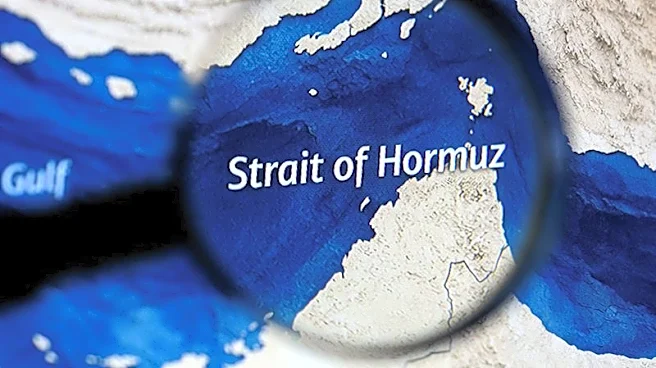
Iran has launched the 'Persian Gulf Strait Authority' to manage tolls for safe passage through the Strait of Hormuz. This move follows Iran's announcement in March to charge for transit, which led to fraudulent operators offering fake paperwork for cryptocurrency
payments. The new authority provides a formal channel for shipowners to arrange transit with the Islamic Revolutionary Guard Corps (IRGC), a U.S.-designated foreign terrorist organization. The U.S. has threatened sanctions against entities paying Iran for transit, complicating compliance for shipowners. Meanwhile, the U.S. promotes 'Project Freedom,' a competing initiative for safe passage through Omani waters, which Iran opposes.
Why It's Important?
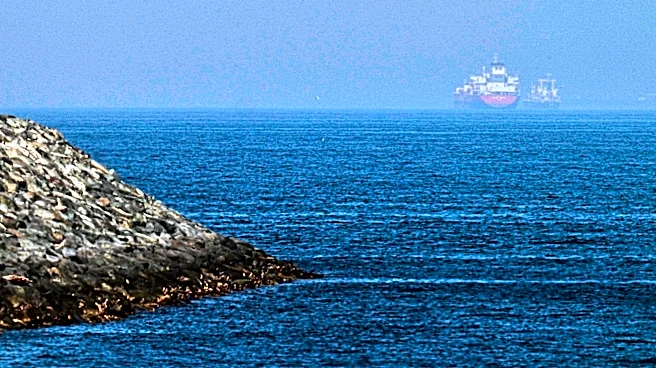
The establishment of the Persian Gulf Strait Authority represents a significant development in the geopolitical dynamics of the Strait of Hormuz, a critical chokepoint for global oil shipments. Iran's move to formalize toll collection could escalate tensions with the U.S., which opposes the tolls and has threatened sanctions. The situation poses compliance challenges for international shipping companies, which must navigate the legal and diplomatic implications of engaging with the new authority. The ongoing tensions highlight the strategic importance of the Strait of Hormuz and the potential for conflict in the region.
What's Next?
The international shipping community will closely monitor the situation as Iran implements its toll collection system. Shipowners may face increased scrutiny and potential sanctions if they engage with the Persian Gulf Strait Authority. The U.S. is likely to continue its efforts to counter Iran's influence in the region through initiatives like Project Freedom. The situation could lead to further diplomatic negotiations or confrontations, depending on the actions of the involved parties.