







What's Happening?
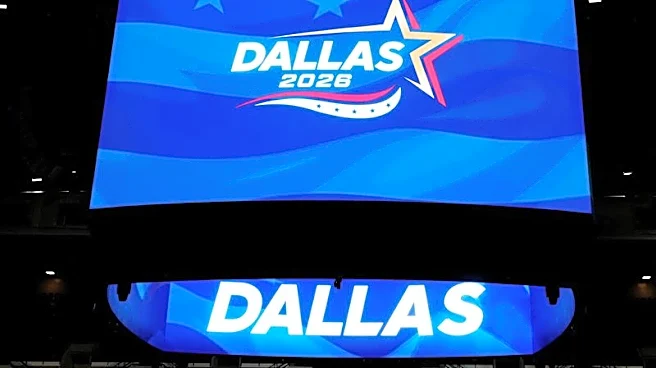
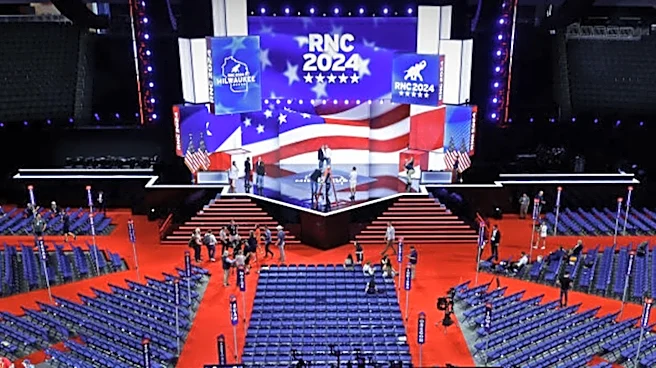
A Gen Z voter is calling on the Republican Party to shift its focus from rhetoric to tangible solutions for the housing crisis and the high cost of living to secure votes in the upcoming midterm elections. The voter, attending the 2026 Republican Midterm
Convention in Dallas, argues that young voters prioritize practical issues like housing affordability and economic stability over traditional political slogans. The sentiment is that if the GOP fails to present concrete plans for issues such as affordable housing, energy abundance, and job opportunities that don't require expensive college degrees, they risk losing the support of a generation that is 'transactional, anti-incumbent, and allergic to being lied to.' The voter suggests that the party should highlight real policy wins, such as reduced illegal border crossings and tax cuts, and propose specific solutions like smashing zoning cartels, speeding up permits for housing, and creating first-time buyer tracks.
Why It's Important?
This perspective from a Gen Z voter underscores a critical challenge for political parties in the U.S.: connecting with younger demographics on issues that directly impact their daily lives and future prospects. The emphasis on the housing crisis and cost of living highlights these as top-tier concerns for Gen Z, potentially influencing election outcomes. If the Republican Party, or any party, fails to address these issues effectively, they risk alienating a significant portion of the electorate. The call for 'specific, measurable' policies rather than 'our values' or 'the swamp' indicates a desire for pragmatic governance. This could force parties to re-evaluate their campaign strategies and policy platforms to be more responsive to the economic realities faced by young Americans, who are often burdened by student debt and struggle to achieve traditional milestones like homeownership. The voter's assertion that 'housing is their number-one issue, and the cost of living is the country’s number-one issue' suggests a potential realignment of political priorities.
What's Next?
The upcoming Republican Midterm Convention in Dallas, with Vice President JD Vance opening and President Trump closing, will be a crucial platform for the party to address these concerns. The Gen Z voter's message implies that the success of the GOP in the midterms will depend on whether they can articulate a compelling vision and concrete plans for economic relief and housing solutions. If the party heeds this advice, future policy proposals might include more aggressive measures to increase housing supply, reform zoning laws, and promote vocational training and apprenticeships as alternatives to traditional college paths. Conversely, if the convention focuses primarily on traditional talking points without addressing these core economic anxieties, it could reinforce the perception among young voters that the political system is not working for them. The response of political leaders to these demands will be closely watched as the election cycle progresses.
Beyond the Headlines
The Gen Z voter's critique extends beyond immediate policy to touch upon deeper societal shifts. The call for 'energy abundance' as a cost-of-living policy, rather than a 'culture-war prop,' suggests a desire for practical solutions that transcend ideological divides. The emphasis on trade schools and apprenticeships over the traditional college path reflects a growing disillusionment with the cost and perceived value of higher education, and a recognition of the need for skilled labor. Furthermore, the demand for politicians to ban trading individual stocks speaks to a broader concern about perceived corruption and a rigged system, which can erode trust in democratic institutions. The voter's reference to political violence on campuses and the need to protect free speech highlights anxieties about social cohesion and the ability to engage in open debate. These underlying issues point to a generation seeking fundamental changes in how the country operates, both economically and socially.