





What's Happening?
The Supplemental Nutrition Assistance Program (SNAP), accessed via Electronic Benefits Transfer (EBT) cards, permits the purchase of various seafood items, provided they are intended for home preparation. This includes raw fish, frozen shrimp, canned
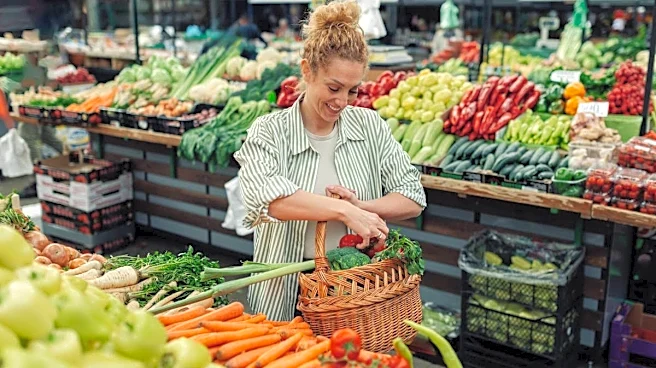
tuna, and live shellfish like lobsters or crabs. EBT cards are accepted at major grocery chains such as Walmart, Kroger, Publix, Safeway, and Whole Foods, as well as many independent fish markets and farmers' markets. The key distinction for eligibility is that the seafood must be uncooked. Seafood that has been cooked or 'steamed to order' in a store, intended for immediate consumption as a hot meal, is generally not eligible under standard federal rules. This rule often causes confusion at seafood counters. However, some states offer a Restaurant Meals Program (RMP) for specific vulnerable populations, including the elderly, disabled, and homeless, allowing them to use EBT for prepared meals at authorized restaurants. For the general SNAP population, the 'hot food' ban remains in effect.
Why It's Important?
This policy is important for several reasons. Firstly, it ensures that SNAP recipients have access to nutrient-dense seafood, which is rich in omega-3 fatty acids and lean protein, contributing to a balanced diet and improved health outcomes. The USDA encourages the inclusion of seafood in the diets of all families, including those utilizing food assistance programs. Secondly, by allowing EBT for raw and frozen seafood, the program supports both large retailers and local economies, as independent fish markets and farmers' markets are often authorized to accept EBT. This helps sustain small-scale fishermen and local business infrastructure. Thirdly, the distinction between raw and prepared seafood highlights the program's focus on 'food for the home,' emphasizing self-sufficiency in meal preparation. While this can be a drawback for those without cooking facilities or abilities, the RMP in certain states addresses this gap for vulnerable populations, ensuring they can still access prepared meals.
What's Next?
SNAP recipients should continue to verify their EBT balance and locate authorized retailers before shopping for seafood. They should prioritize raw or frozen options to ensure a smooth transaction. For those in states with a Restaurant Meals Program, checking the specific RMP list for authorized seafood eateries is crucial. The ongoing push to expand EBT accessibility to farmers' markets, often coupled with 'Double Up Food Bucks' or similar programs, suggests a continued effort to enhance access to fresh and local produce and protein. This trend may lead to more opportunities for SNAP recipients to purchase high-quality seafood while supporting sustainable practices. Retailers may also continue to innovate, offering 'meal kits' with raw seafood and pre-cut vegetables to cater to EBT users who prefer convenience while adhering to eligibility rules.
Beyond the Headlines
The EBT policy on seafood reflects a broader tension within food assistance programs: balancing nutritional access with program integrity and cost-effectiveness. While seafood offers significant health benefits, its higher cost compared to other proteins can strain a tight SNAP budget, forcing recipients to choose between quantity and quality. The perishability of fresh seafood also presents a challenge, as spoilage can lead to wasted benefits. The 'steamed food' hurdle, particularly in regions where steamed seafood is a cultural staple, highlights how federal regulations can sometimes clash with local culinary traditions and practical realities for recipients who may lack the necessary cooking equipment. This underscores the need for ongoing evaluation of SNAP policies to ensure they are both nutritionally beneficial and practically implementable for all recipients, while also considering the diverse needs and cultural contexts of communities across the U.S.