





What's Happening?
President Trump is reportedly experiencing significant frustration due to a series of political setbacks. The Supreme Court blocked his plan to restrict mail-in voting ahead of the midterms, leading him to criticize his own appointees on the bench. A
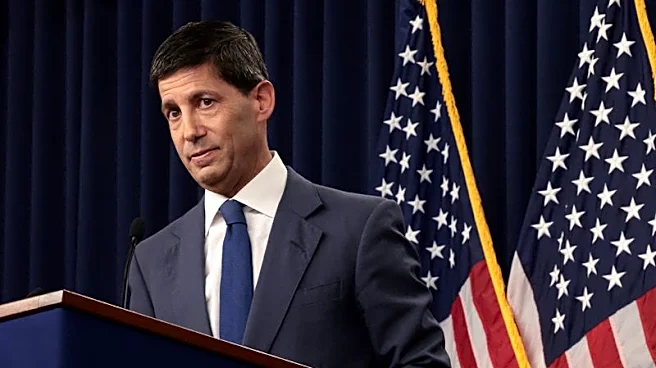
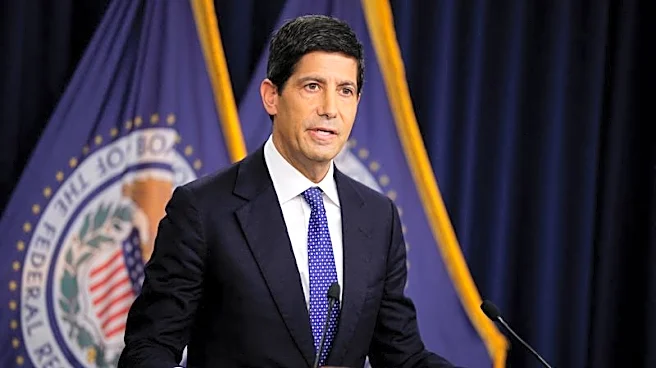
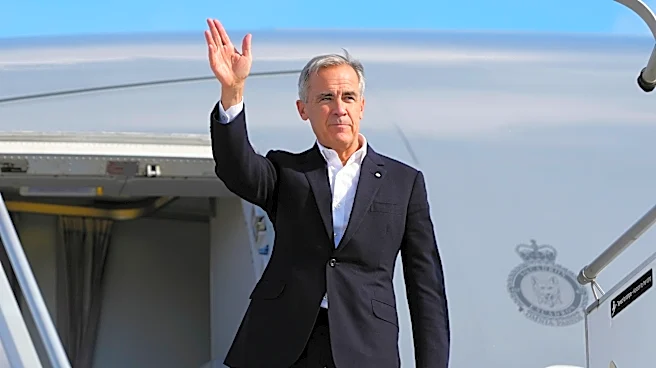
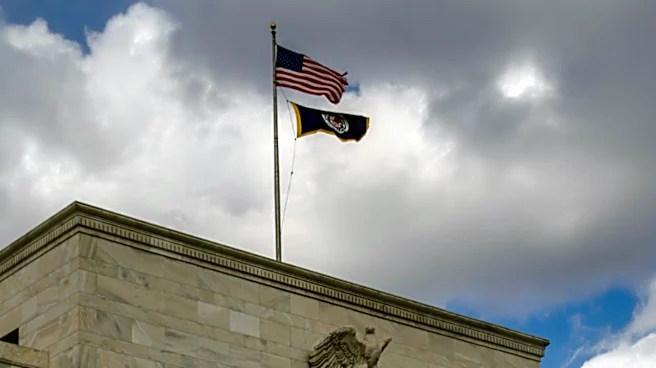
lower court also thwarted his efforts to renovate the Kennedy Center, which he now plans to shut down. Furthermore, the GOP-led House approved a war powers resolution for the third time, prohibiting further military action in Iran without congressional approval, with three additional Republicans voting in favor. The Federal Reserve, under President Trump's appointed Chair Kevin Warsh, raised interest rates for the first time since July 2023, defying the President's calls for rate cuts. These events, coupled with Canada seeking associate membership in the European Union following U.S. tariff attacks, and an ongoing war in Iran, indicate a challenging period for the administration. President Trump's proposed $5,000 check for every American if Republicans win in November also appears to be losing traction among Capitol Hill Republicans.
Why It's Important?
These developments are important as they signal potential shifts in the balance of power within Washington and internationally. The Supreme Court's decision on mail-in voting underscores the judiciary's independence, even from presidential appointees, and could impact the upcoming midterm elections by ensuring broader voter access. The Federal Reserve's rate hike, despite presidential pressure, highlights the central bank's commitment to its mandate of price stability and maximum employment, demonstrating its autonomy from political influence. This could affect economic growth and borrowing costs for businesses and consumers. Congressional dissent on the Iran war resolution, particularly from within the Republican party, suggests a growing willingness among lawmakers to assert their constitutional authority on matters of war and peace, potentially limiting executive power. Canada's move towards the EU indicates a strain on traditional alliances and could lead to a re-evaluation of North American trade relationships, impacting U.S. economic and geopolitical standing. Collectively, these events suggest a potential erosion of President Trump's political authority and influence, both domestically and abroad.
What's Next?
The immediate future will likely see continued political maneuvering ahead of the midterms, with the Supreme Court's mail-in voting decision potentially influencing voter turnout and election outcomes. The Federal Reserve's interest rate policy will be closely watched for further adjustments, which could impact inflation and economic stability. The ongoing debate over the Iran war will continue, with potential for further congressional action or shifts in military strategy. The Kennedy Center dispute may escalate, with legal battles over its closure and renovation plans. Internationally, Canada's pursuit of closer ties with the EU could lead to complex negotiations and a redefinition of trade relationships, potentially affecting U.S. trade policy and diplomatic efforts. President Trump's reactions to these setbacks, particularly on social media, will continue to shape public discourse and political narratives. The midterms will serve as a critical barometer for the public's sentiment regarding the administration's policies and leadership, potentially altering the political landscape in Washington.
Beyond the Headlines
These events delve into deeper implications concerning the checks and balances of American democracy and the evolving nature of international relations. The Supreme Court's actions, even when challenging presidential directives, reinforce the principle of judicial review and the rule of law, which are foundational to the U.S. system of government. The Federal Reserve's independence, while sometimes a source of friction with political leaders, is crucial for maintaining economic stability and preventing political interference in monetary policy. The growing congressional assertiveness on foreign policy matters reflects a re-evaluation of executive power and the role of the legislative branch in declaring war. Canada's pivot towards the EU, driven by U.S. trade policies, underscores the fragility of long-standing alliances and the potential for economic nationalism to reshape global partnerships. These developments collectively highlight a period of significant institutional stress and adaptation, where traditional norms and power dynamics are being tested and redefined, with long-term consequences for governance, economic stability, and global order.