








What's Happening?
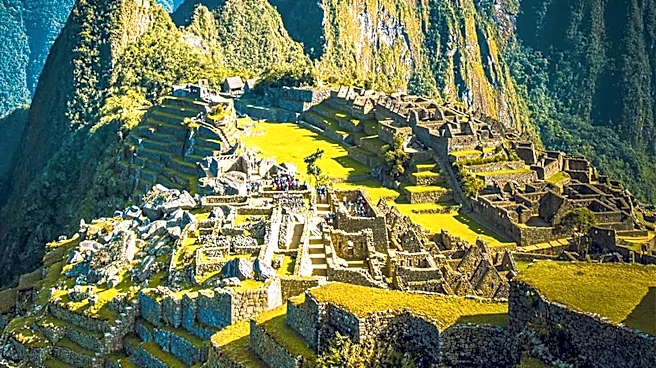
Machupicchu, a UNESCO World Heritage Site, has received its fourth consecutive carbon-neutral certification from the Green Initiative. This achievement marks it as the first UNESCO site to maintain this recognition for four consecutive years, demonstrating
a sustained commitment to environmental impact reduction and sustainable tourism. Since 2025, the site has reduced its carbon footprint per visitor by over 8%. This progress is attributed to collaborative efforts involving the Municipality of Machupicchu, Inkaterra, Grupo AJE, Bosques Amazónicos (BAM), and PROMPERÚ. Key initiatives include circular economy solutions, enhanced waste management with PET plastic and cardboard recycling, a biodiesel plant converting used cooking oil into fuel, and a pyrolysis system for organic waste transformation into biochar. Additionally, environmental restoration efforts in 2024 captured over 5,000 tonnes of CO2 equivalent and involved planting 6,596 native trees to restore ecosystems and protect biodiversity within the Historic Sanctuary.
Why It's Important?
This continuous certification for Machupicchu sets a significant precedent for sustainable tourism globally, particularly for other iconic heritage sites. It highlights the feasibility and benefits of integrating robust environmental management with heritage protection, which can enhance a destination's competitiveness as international travelers increasingly prioritize responsible travel experiences. The initiative's success in reducing carbon footprint and implementing circular economy solutions provides a tangible model for other regions aiming to mitigate environmental impact from tourism. For Peru, this reinforces its positioning as a leader in sustainable and responsible tourism, aligning with PROMPERÚ's strategic goals to promote the country's natural and cultural heritage internationally. The exchange of climate action practices with other global destinations like Christ the Redeemer and Angkor Wat further amplifies the potential for broader adoption of these sustainable strategies.
What's Next?
The initiative plans to expand its sustainable practices beyond Machupicchu by proposing a carbon-neutral tourism corridor connecting Cusco, Machupicchu, and Choquequirao. This expansion aims to extend emissions reduction, waste management, and environmental conservation across a wider tourism route, potentially creating a larger impact on regional sustainability. Machupicchu's experience will also continue to be shared as part of an international effort to exchange climate action practices with other iconic destinations worldwide. Future efforts will likely focus on further reducing the carbon footprint per visitor and enhancing environmental restoration activities. The ongoing commitment to these practices will be crucial for maintaining the site's carbon-neutral status and its role as a model for sustainable tourism development.
Beyond the Headlines
The sustained carbon-neutral certification of Machupicchu underscores a deeper shift in the tourism industry towards environmental accountability and sustainable practices. This achievement is not merely about offsetting emissions but involves fundamental changes in waste management, energy use, and ecosystem restoration, reflecting a holistic approach to environmental stewardship. It highlights the growing consumer demand for eco-conscious travel, which could drive broader industry transformation as destinations compete to attract environmentally aware tourists. The collaborative model involving public and private sectors demonstrates that significant environmental goals can be achieved through concerted efforts, offering a blueprint for complex conservation challenges. This long-term commitment to sustainability also contributes to the resilience of cultural heritage sites against the impacts of climate change, ensuring their preservation for future generations.