







What's Happening?
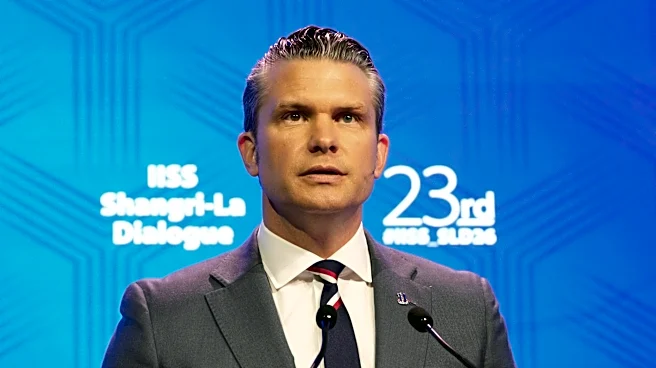
The Department of Defense (DOD) has announced a significant reduction in the number of recognized religions within the U.S. military, cutting approximately 180 religion codes from its previous list of about 220. The new list, which is set to take effect
in July, will recognize 31 religious categories, including major world religions such as Buddhism, Hinduism, Baha'i, Islam, Judaism, and Sikhism, as well as non-religion. The majority of the recognized categories are Christian denominations. This move is intended to streamline data-gathering for military chaplains, according to a statement from DOD official Sean Parnell. However, the decision has sparked criticism from veterans and military observers, particularly concerning the exclusion of certain groups like the Church of Jesus Christ of Latter-day Saints from the list of recognized Christian religions.
Why It's Important?
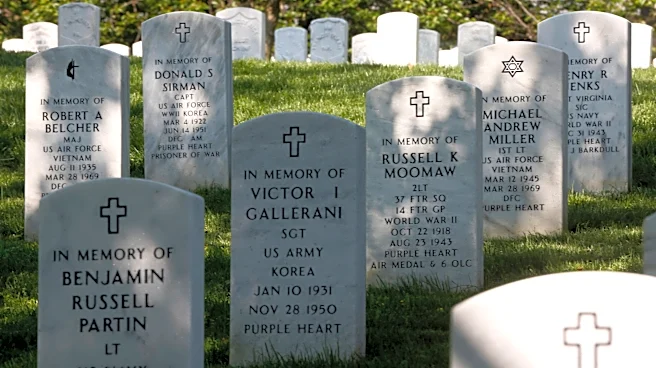
The reduction in recognized religions by the Pentagon has significant implications for religious freedom within the U.S. military. The decision has raised concerns about the potential marginalization of service members who identify with the unrecognized faiths. Critics argue that the move could undermine the First Amendment rights of military personnel, which guarantee the free exercise of religion. The exclusion of specific groups, such as the Church of Jesus Christ of Latter-day Saints, has also drawn political attention, with figures like GOP Utah Sen. Mike Lee questioning the rationale behind the decision. This development could lead to broader discussions about religious inclusivity and representation within the armed forces, potentially affecting morale and the perception of the military's commitment to diversity.
What's Next?
As the new policy is set to take effect in July, it is likely that there will be continued debate and potential pushback from various stakeholders, including religious groups, veterans, and political leaders. The Pentagon may face pressure to reconsider or amend the list to address the concerns raised by those who feel excluded or marginalized. Additionally, there could be legal challenges or calls for congressional oversight to ensure that the policy aligns with constitutional protections for religious freedom. The military's approach to religious diversity and inclusion will likely remain a topic of scrutiny and discussion in the coming months.