


What's Happening?
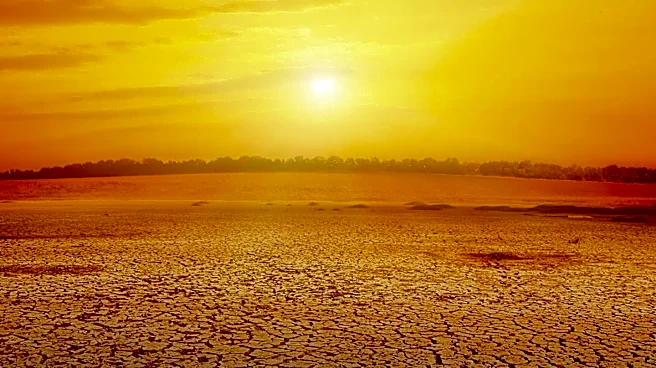
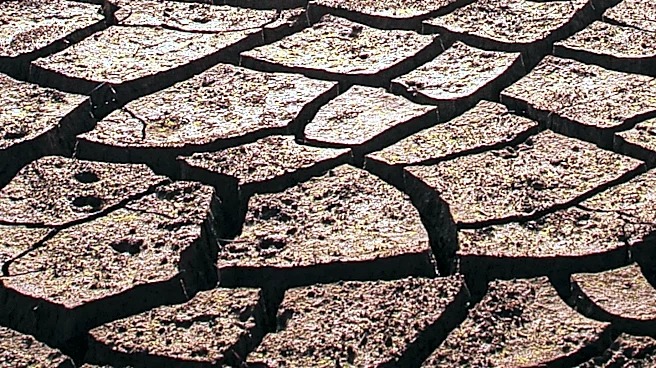
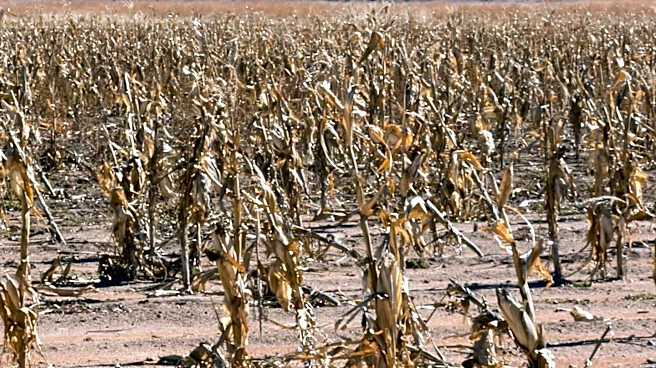
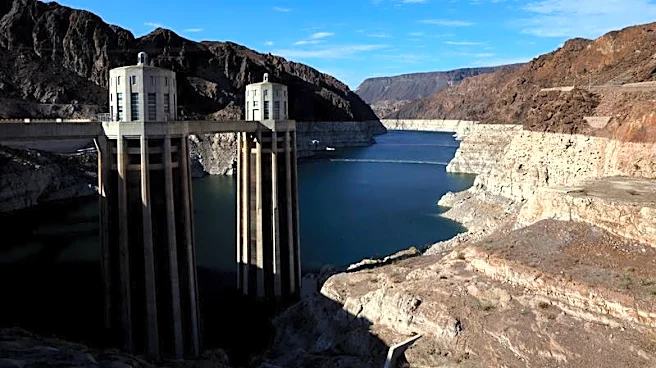
Natural Resources Wales (NRW) has declared a drought across the entire country due to a significant shortage of rainfall and water availability. The drought is affecting rivers, groundwater, agriculture, and natural systems. With Wales on track for its
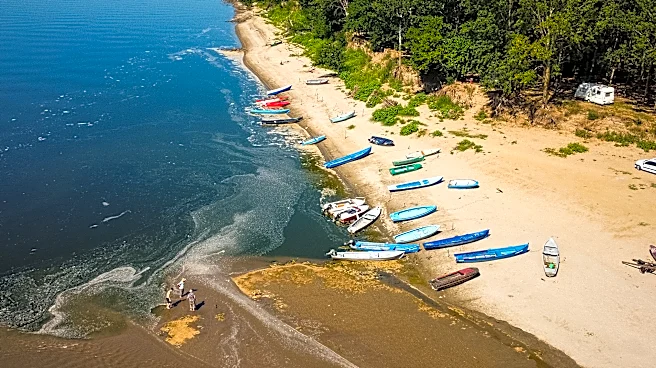
driest July in nearly 190 years, the environmental toll is evident, with drying riverbeds, distressed fish, and algal blooms. Farmers are concerned about crop growth and water availability for livestock. The declaration follows similar drought conditions in parts of England, highlighting the widespread impact of the current weather patterns.
Why It's Important?
The drought in Wales highlights the increasing frequency and severity of climate-related challenges affecting water resources and agriculture. The situation poses significant risks to biodiversity, agricultural productivity, and water security. Farmers face financial pressures as they may need to invest in additional resources to sustain livestock and crops. The drought underscores the need for effective water management strategies and policies to enhance resilience against future climate extremes. It also raises awareness of the interconnectedness of environmental health and agricultural sustainability.
What's Next?
NRW will continue to monitor river conditions and provide guidance on water conservation to the public. The drought declaration may prompt discussions on long-term water management strategies and investments in infrastructure to enhance resilience. Stakeholders, including farmers and environmental groups, may advocate for policy measures to support sustainable agricultural practices and water conservation. The government may explore initiatives to mitigate the impacts of climate change on natural resources and agriculture.