



What's Happening?
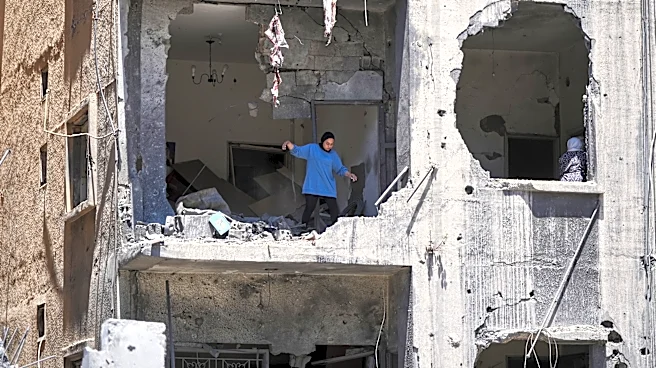
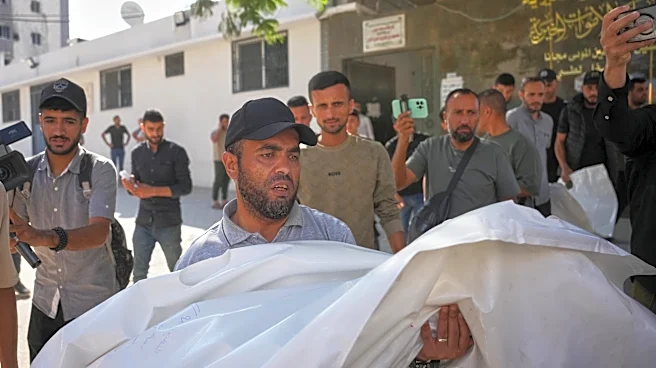
The Gaza Mortality Survey, published in The Lancet Global Health, is under scrutiny after researchers identified potential inaccuracies in its methodology. Professor Emeritus Sergio DellaPergola from the Hebrew University of Jerusalem and independent
researcher Mark Zlochin have raised concerns about the survey's representativeness. Their analysis suggests that the survey's sample may not accurately reflect the population, leading to potentially inflated mortality estimates. The survey reported 75,200 violent deaths in Gaza since the onset of the Israel-Hamas War on October 7, 2023. However, discrepancies were noted, particularly with two interviewer teams, Gaza9 and Gaza3, whose results significantly diverged from others. These teams reported a disproportionate number of deaths while surveying a small percentage of the sample. The researchers also highlighted issues such as demographic inconsistencies and inadequate quality control measures.
Why It's Important?
The reliability of the Gaza Mortality Survey is crucial as it informs international understanding and response to the humanitarian situation in Gaza. Inflated mortality figures could impact policy decisions, humanitarian aid distribution, and international diplomatic efforts. The survey's findings have been widely cited, and any inaccuracies could undermine the credibility of reports on the conflict's human toll. This scrutiny also highlights the importance of rigorous methodological standards in conflict zone research, where data collection is inherently challenging. The controversy may affect the reputation of The Lancet, which has faced criticism for its publications on Israel-related issues, potentially influencing its future editorial decisions and the perception of its objectivity.
What's Next?
Further analysis and independent verification of the Gaza Mortality Survey's findings may be necessary to ensure accurate representation of the conflict's impact. The Lancet and other stakeholders might need to address the methodological concerns raised to maintain credibility. This situation could prompt a broader discussion on improving data collection methods in conflict zones, potentially leading to new guidelines or standards. Additionally, international organizations and governments may reassess their reliance on such surveys for policy-making and humanitarian efforts, seeking more robust data sources.
Beyond the Headlines
The debate over the Gaza Mortality Survey underscores the ethical challenges in reporting on conflict zones. Accurate data is vital for advocacy and policy-making, yet the complexities of conducting research in such environments can lead to significant discrepancies. This situation raises questions about the responsibilities of researchers and publishers in ensuring data integrity. It also highlights the potential for data to be politicized, influencing public opinion and international relations. The scrutiny of The Lancet's publication history suggests a need for transparency and accountability in scientific reporting, particularly on contentious geopolitical issues.