





What's Happening?
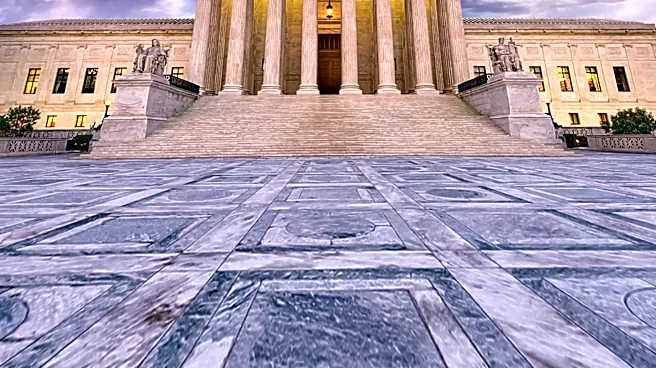
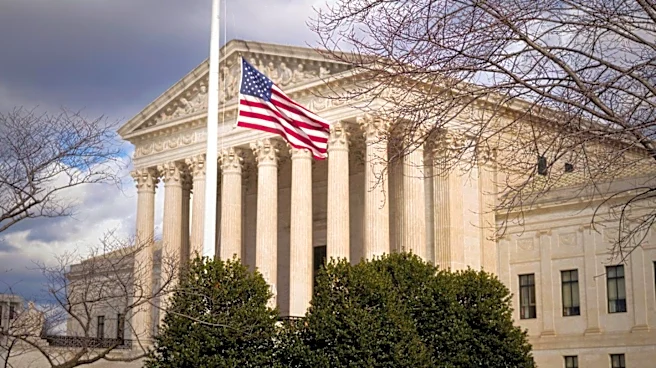
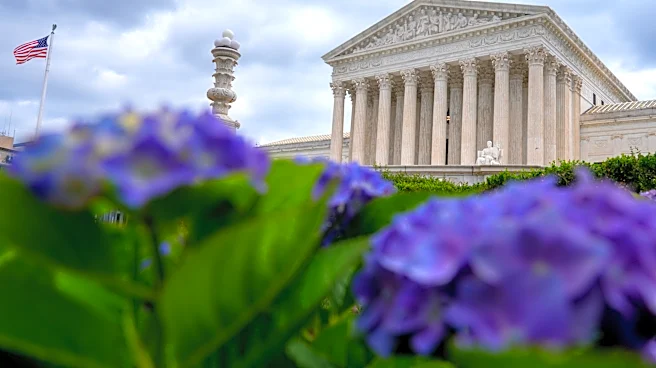
The Supreme Court is currently deliberating on a significant case concerning birthright citizenship, a legal principle enshrined in the 14th Amendment of the U.S. Constitution. The case, Trump v. Barbara, challenges the Trump administration's executive
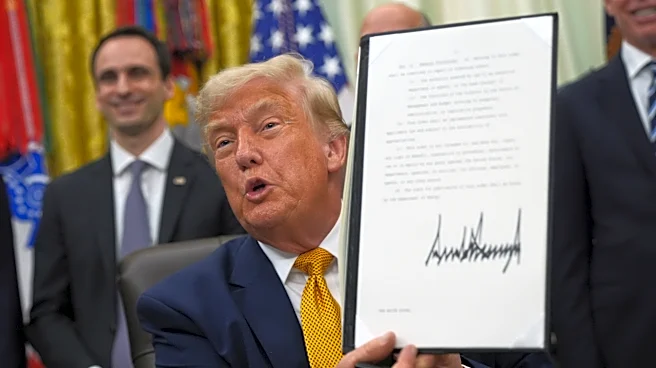
order aimed at restricting automatic citizenship for children born in the U.S. to non-citizen parents. During oral arguments, Chief Justice John Roberts and other justices, including conservatives like Neil Gorsuch, expressed skepticism about the administration's interpretation of the 14th Amendment. The administration argues that the phrase 'subject to the jurisdiction thereof' excludes children of undocumented immigrants. This case is pivotal as it tests the limits of executive power and the interpretation of constitutional rights.
Why It's Important?
The outcome of this case could have profound implications for U.S. immigration policy and the interpretation of constitutional rights. A ruling in favor of the Trump administration could lead to significant changes in how citizenship is granted, potentially affecting millions of individuals born in the U.S. to non-citizen parents. This case also highlights the ongoing debate over executive power and its limits, especially concerning immigration policies. The decision will likely influence future legal interpretations of the 14th Amendment and could set a precedent for how similar cases are handled.
What's Next?
The Supreme Court is expected to issue its ruling by early July, as it concludes its term. The decision will be closely watched by legal experts, policymakers, and immigrant communities. Depending on the outcome, there could be legislative responses or further legal challenges. The ruling may also prompt discussions on potential constitutional amendments or new legislation to clarify the scope of birthright citizenship.