





What's Happening?
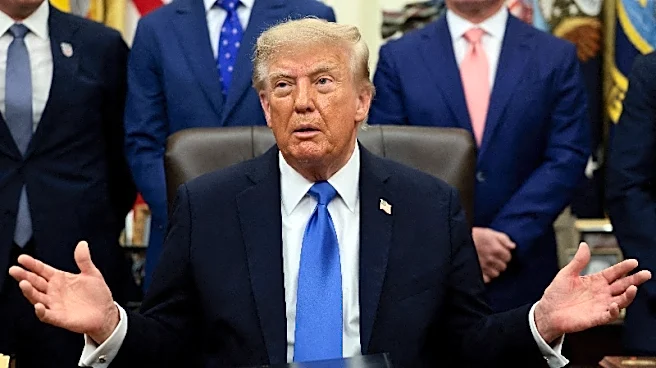
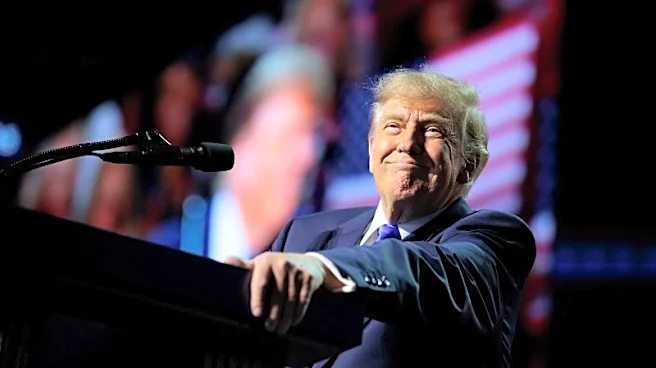
President Trump publicly stated on Sunday that the United States should have the world's lowest interest rates, irrespective of economic data, just days before the Federal Reserve's scheduled meeting. This demand comes as market odds for a rate hike have significantly
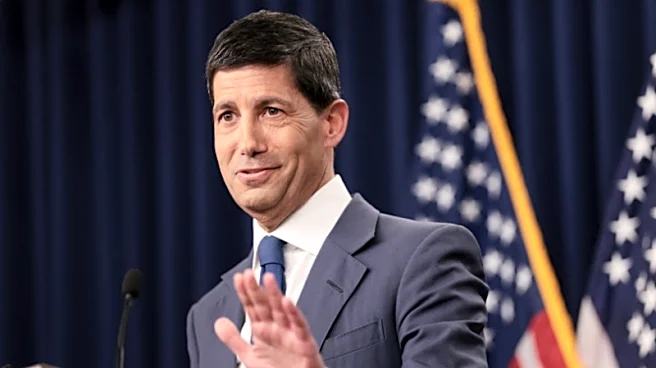
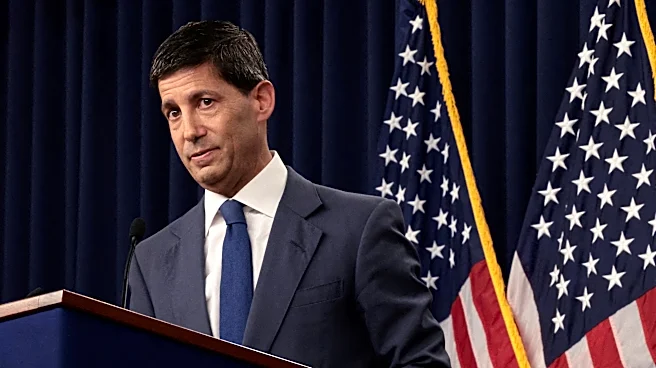
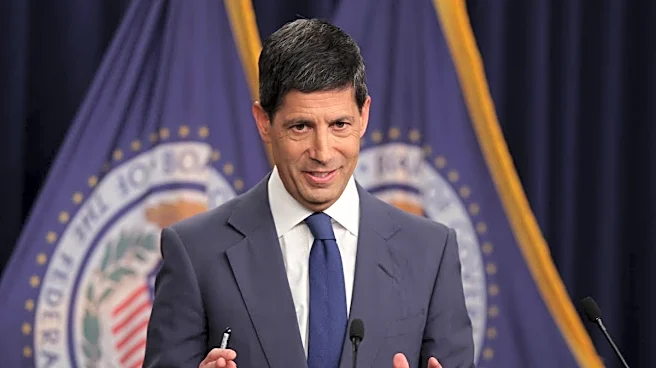
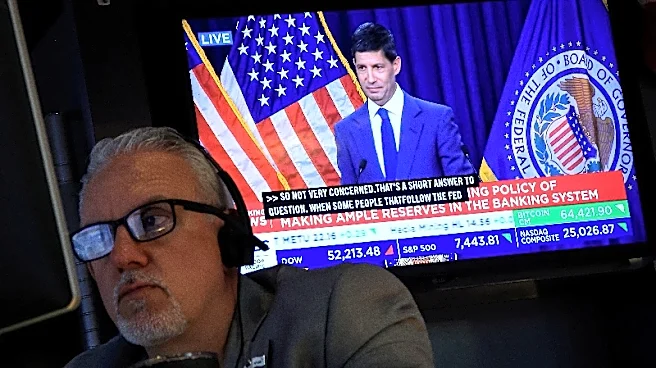
increased, with fresh Consumer Price Index (CPI) figures showing their largest increase in four months. Traders now assign an approximately 86% probability that the Federal Reserve will raise its benchmark rate from 3.5% to 3.75%, which would be the first increase in three years. President Trump made these remarks at the Irish Open golf tournament, intensifying his pressure campaign on the Federal Reserve, even as his own appointee for Fed chair, Kevin Warsh, faces mounting pressure to tighten monetary policy.
Why It's Important?
President Trump's public demands for lower interest rates introduce a political dimension to the Federal Reserve's monetary policy decisions, which are traditionally made independently. The Fed's meeting occurs weeks before midterm elections, and a rate hike could potentially exacerbate voter frustration over affordability, adding political weight to the decision. While National Economic Council Director Kevin Hassett stated that President Trump would defend Warsh's independence, he also noted that President Trump would not be pleased if rates were to rise. This situation highlights the tension between political desires for economic stimulus and the Federal Reserve's mandate to control inflation and maintain economic stability. The outcome of the Fed's decision, and how it is perceived politically, could influence public sentiment and the broader economic narrative leading up to the elections.
What's Next?
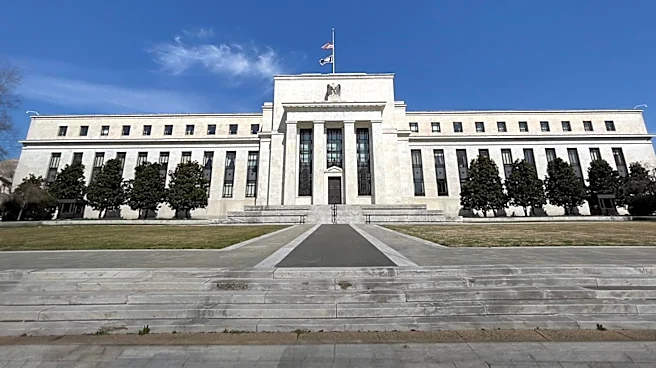
The Federal Reserve's decision on interest rates this Wednesday will be closely watched, not only for its economic implications but also for how it navigates the political pressure from President Trump. The market's high expectation for a rate hike suggests that the Fed may proceed with its tightening policy despite the President's calls for lower rates. The immediate aftermath will likely involve reactions from political leaders, financial markets, and economic commentators. The Fed's communication regarding its rationale for the decision will be crucial in shaping public and market perceptions. The ongoing debate about the Fed's independence and its role in the U.S. economy is expected to continue, especially with the midterm elections approaching, where economic conditions, including interest rates and inflation, are often key voter concerns.
Beyond the Headlines
President Trump's intervention in Federal Reserve policy discussions raises fundamental questions about the independence of the central bank and the potential for political influence on monetary decisions. The Fed's independence is considered vital for its ability to make sound economic judgments free from short-term political pressures. However, public statements from the President can create an environment where the Fed's decisions are scrutinized through a political lens, potentially impacting public trust and market confidence. This dynamic also underscores the broader challenge of communicating complex economic policies to the public, especially when there are differing views from prominent political figures. The long-term implications could include a re-evaluation of the boundaries between fiscal and monetary policy, and the extent to which a President can, or should, attempt to sway the actions of an independent economic institution.