






What's Happening?
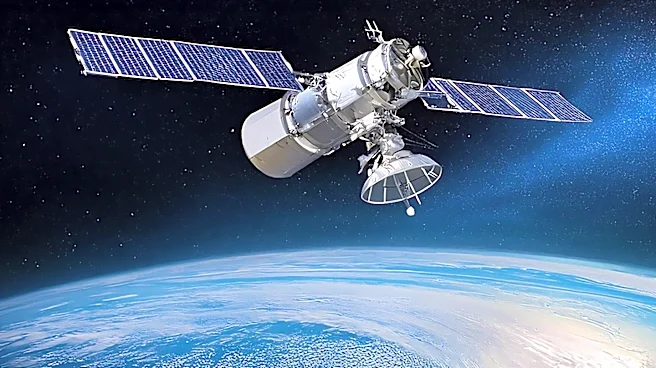
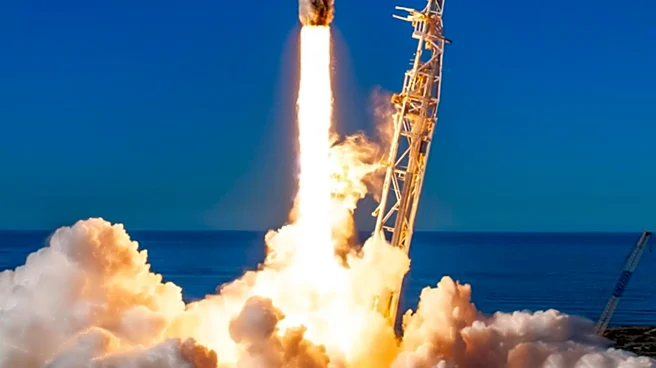
SpaceX is set to launch a Falcon 9 rocket from Cape Canaveral Space Force Station in Florida on July 14, 2026. The mission involves deploying 29 Starlink satellites into low-Earth orbit. The launch window is scheduled between 3:15 a.m. and 7:15 a.m. ET.
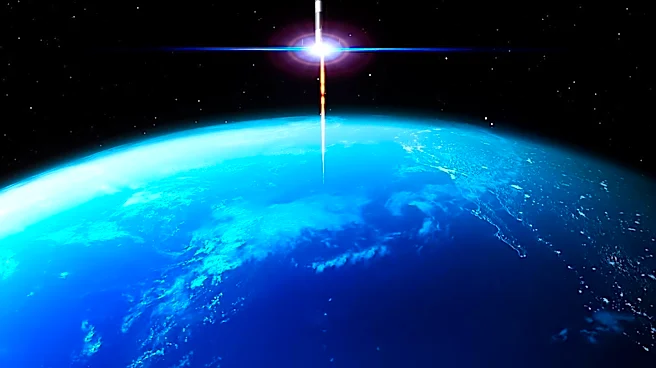
This event is part of SpaceX's ongoing efforts to expand its Starlink satellite constellation, which aims to provide global internet coverage. The launch is expected to create a visual phenomenon known as the 'space jellyfish effect,' visible in parts of Florida, depending on weather conditions and the timing of the launch. This effect occurs when the sun illuminates the rocket's exhaust plume, creating a unique visual display in the sky.
Why It's Important?
The launch of additional Starlink satellites is significant for SpaceX's goal of providing high-speed internet access worldwide, particularly in remote and underserved areas. The expansion of the Starlink network could have substantial implications for global internet connectivity, potentially reducing the digital divide. For the U.S., this development supports technological advancement and innovation in the aerospace sector, reinforcing the country's leadership in space exploration and satellite technology. Additionally, the visibility of the launch across Florida highlights the state's role as a central hub for space activities, contributing to local economies and educational opportunities in science and technology.
What's Next?
Following the launch, SpaceX will continue to monitor the deployment and operation of the Starlink satellites to ensure they function as intended. The company plans to conduct more launches to further expand the Starlink network. Observers and enthusiasts in Florida and beyond will have opportunities to witness similar launches, as SpaceX frequently schedules missions from Cape Canaveral. The success of these launches could influence future collaborations and contracts with government and private entities seeking reliable satellite internet services.