





What's Happening?
A study conducted by researchers at the Indian Institute of Technology (IIT) Roorkee has identified an increasing convergence of flood and drought vulnerabilities across various regions in India. The research, titled 'From single to compound hazards:
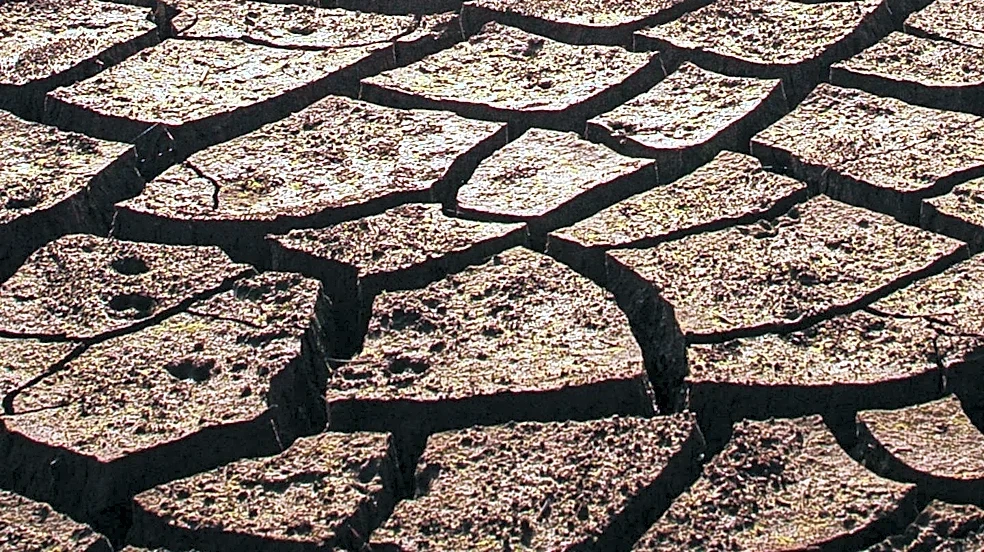
how flood and drought vulnerabilities have intensified across India,' indicates that a significant number of districts are now susceptible to both hydrological extremes. By 2011, over one-fifth of India's districts were classified as highly vulnerable to floods, and nearly one-fifth showed high vulnerability to drought. The study further highlights that more than one in ten districts are positioned at the higher end of the Multi-Hazard Vulnerability Index (MHVI), signifying a growing prominence of multi-hazard vulnerability. This trend is not uniformly distributed but shows a concentration of multi-hazard hotspots, particularly in eastern and northern India. States like Odisha, Andhra Pradesh, Maharashtra, Rajasthan, Uttar Pradesh, Jammu & Kashmir, Bihar, and Jharkhand have experienced increases in both flood and drought vulnerability in different districts, with Uttar Pradesh, Bihar, and West Bengal showing high vulnerability for both hazards.
Why It's Important?
The findings from the IIT Roorkee study are crucial because they challenge the traditional approach of treating floods and droughts as separate risks. The increasing overlap of these vulnerabilities means that communities are experiencing the consequences within the same social and physical systems, necessitating integrated approaches to disaster preparedness and adaptation. This shift in understanding has significant implications for policy-making, resource allocation, and climate adaptation strategies in India. A district-level assessment, as emphasized by the study, offers a more granular understanding of where communities face multiple pressures, allowing for more targeted and effective interventions. Without such integrated strategies, vulnerable populations could face compounded challenges, leading to greater economic losses, displacement, and humanitarian crises. The study underscores the need for a holistic view of hydrological risks to build resilience and protect livelihoods in affected regions.
What's Next?
The IIT Roorkee study suggests that future efforts in disaster risk reduction and climate adaptation must adopt integrated approaches. This implies a need for policymakers and disaster management agencies to move beyond addressing floods and droughts in isolation. The research provides a basis for identifying specific multi-hazard hotspots, which can guide the development of tailored preparedness and adaptation plans. Stakeholders, including government bodies, non-governmental organizations, and local communities, will likely need to collaborate on comprehensive strategies that account for the converging nature of these hydrological extremes. This could involve developing early warning systems that consider both flood and drought indicators, implementing water management practices that mitigate both risks, and investing in infrastructure that is resilient to a wider range of climate impacts. The study's emphasis on district-level data will be instrumental in formulating localized and effective responses.
Beyond the Headlines
The convergence of flood and drought vulnerabilities highlighted by the IIT Roorkee study points to a deeper systemic issue related to climate change and environmental degradation. This phenomenon suggests that the hydrological cycle is becoming more erratic, leading to both excessive rainfall and prolonged dry spells within the same regions. The long-term implications extend beyond immediate disaster response, touching upon agricultural practices, urban planning, and public health. Ethically, it raises questions about equitable resource distribution and support for the most vulnerable populations who often bear the brunt of these compound hazards. Culturally, it may necessitate shifts in traditional farming methods and community resilience strategies. The study implicitly calls for a re-evaluation of how societies interact with their environment and the urgent need for sustainable development practices to mitigate the escalating risks posed by a changing climate.