






What's Happening?
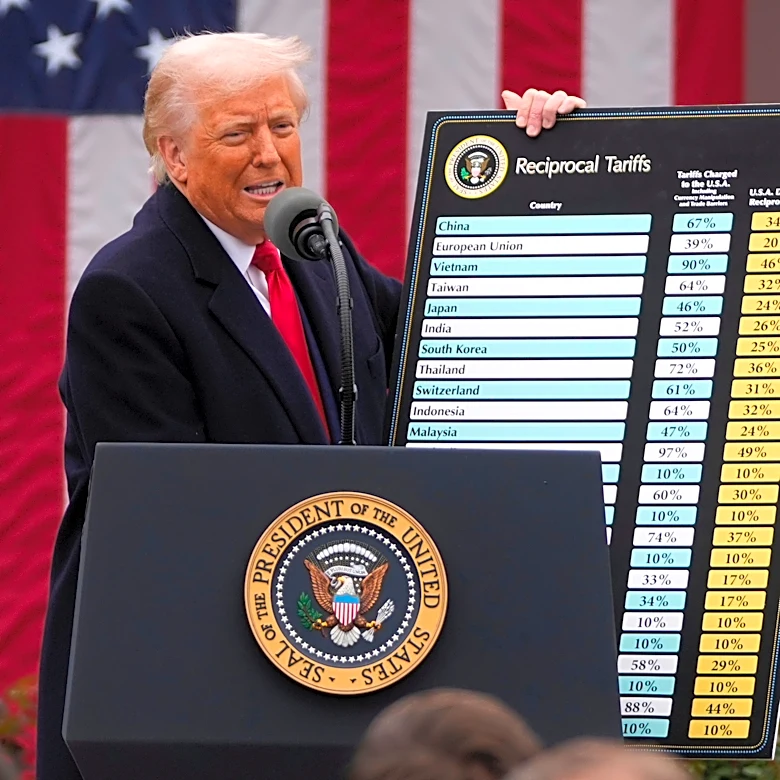
Congressman Suhas Subramanyam, representing Virginia's 10th Congressional District, has publicly criticized the Trump administration for its handling of U.S.-India relations. He argues that the administration's foreign policy and trade decisions, including
the imposition of tariffs, have weakened the strategic partnership between the two nations. Subramanyam emphasizes the importance of maintaining strong ties with India, citing shared interests in regional security, economic growth, and global stability. He contends that the administration's inconsistent foreign policy has created uncertainty among allies and weakened relationships with global partners. Subramanyam also expressed concerns about the administration's approach towards Pakistan, advocating for accountability among U.S. allies.
Why It's Important?
The U.S.-India relationship is crucial for both countries, particularly in terms of regional security and economic collaboration. Subramanyam's criticism highlights the potential risks of inconsistent foreign policy, which can lead to strained international relations and hinder progress on shared goals. The strategic partnership with India is vital for addressing global challenges, and any weakening of this relationship could have significant implications for U.S. foreign policy and economic interests. The criticism also underscores the need for stable and predictable diplomatic engagements to maintain trust and cooperation with key allies.
What's Next?
Moving forward, there may be increased pressure on the U.S. government to reassess its foreign policy strategies, particularly in relation to India and other key allies. Subramanyam's remarks could prompt further discussions within Congress about the importance of maintaining strong international partnerships. Additionally, there may be calls for more consistent and transparent foreign policy decisions to ensure long-term stability and cooperation with global partners. The administration's approach towards Pakistan and other regional issues may also come under scrutiny, with potential implications for future diplomatic engagements.