



What's Happening?
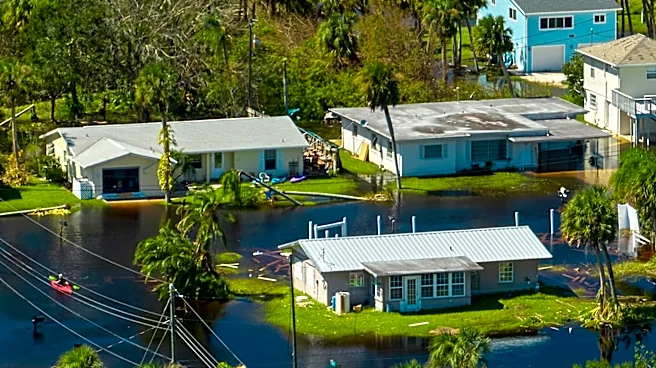
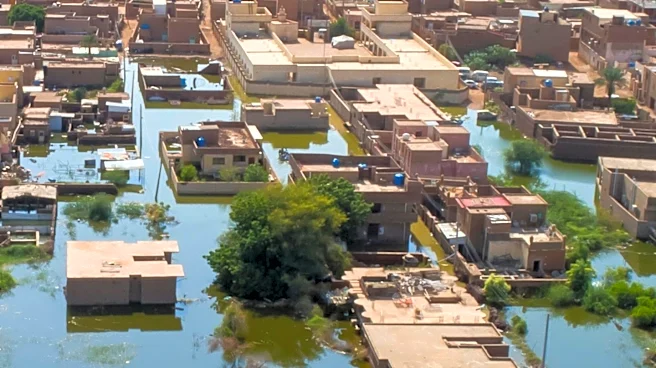
In South Sudan, the International Organization for Migration (IOM) and other UN agencies are addressing the severe impact of climate change and oil pollution, which have led to toxic floods in the region. The Unity State, a major oil-producing area, has
been severely affected by flooding since 2021, exacerbated by climate change. The floods have contaminated water sources, posing significant health risks to the local population. The IOM maintains a protective dyke around a civilian camp to prevent flooding, but the region's lack of infrastructure leaves many communities vulnerable. The oil pollution has further complicated the situation, with reports of contaminated fish and water, leading to health concerns among residents.
Why It's Important?
The situation in South Sudan highlights the intersection of environmental and humanitarian crises. The flooding and pollution threaten the health and livelihoods of thousands, underscoring the urgent need for effective environmental management and disaster preparedness. The reliance on oil as a primary economic driver complicates efforts to address the pollution, as it is a critical revenue source for the country. This crisis illustrates the broader challenges faced by developing nations in balancing economic development with environmental sustainability. The international community's response, including that of the IOM, is crucial in providing immediate relief and long-term solutions to mitigate the impact of such disasters.
What's Next?
Efforts to address the flooding and pollution in South Sudan will require coordinated action from international organizations, the government, and local communities. There is a need for investment in infrastructure to manage water resources and prevent future flooding. Additionally, stricter environmental regulations and enforcement are necessary to mitigate oil pollution. The IOM and other agencies will likely continue their humanitarian efforts, focusing on providing clean water and health services to affected populations. Long-term strategies may involve developing sustainable economic alternatives to reduce reliance on oil and enhance resilience to climate change.