



What's Happening?
Representatives Maxwell Alejandro Frost, Gabe Vasquez, and Rashida Tlaib have formally questioned Brookfield Asset Management regarding its recent acquisition of Yes Communities, the largest privately held manufactured housing portfolio in the United
States. The representatives sent a letter to Brookfield's management, including Brookfield Asset Management and Brookfield Real Estate Group, seeking assurances that the quality of life for residents would not be negatively impacted by the deal. As of mid-November, Brookfield had not yet responded to the inquiry, which had a deadline of November 20. Brookfield's acquisition of Yes Communities, though not formally announced, was indicated in second-quarter filings with the Securities and Exchange Commission, where Brookfield Asset Management reported spending $5.2 billion in its real estate business, including the manufactured home portfolio.
Why It's Important?
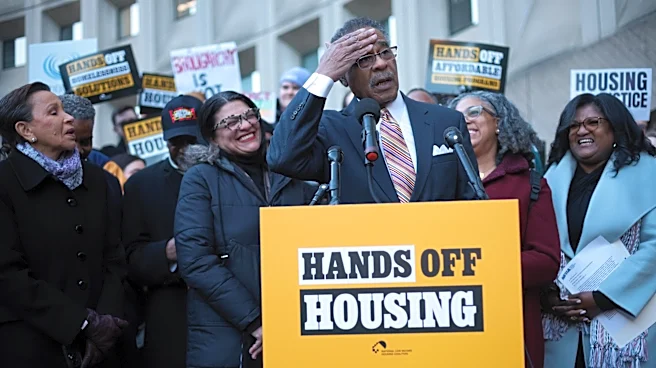
This congressional inquiry highlights growing concerns about corporate ownership of affordable housing, particularly manufactured home communities. Residents of such communities often face unique vulnerabilities, including potential rent increases, excessive fees, and neglect of maintenance, which can be exacerbated when large investment firms acquire these properties. The representatives' actions underscore a broader political and social debate about housing affordability and tenant protections in the face of increasing institutional investment in residential real estate. The outcome of this inquiry could influence future regulatory scrutiny of private equity firms' involvement in the housing market and potentially lead to new legislative efforts aimed at safeguarding residents' rights and ensuring housing stability.
What's Next?
The representatives have given Brookfield Asset Management until November 20 to respond to their concerns. Depending on Brookfield's response, or lack thereof, the lawmakers may pursue further actions, such as public hearings, additional legislative proposals, or increased regulatory oversight. This situation could also galvanize tenant advocacy groups and lead to more organized efforts to demand protections for residents of manufactured home communities. The broader trend of institutional investors acquiring affordable housing assets is likely to remain a significant policy issue, potentially prompting federal and state governments to consider measures to balance investment interests with the need for stable and affordable housing options for vulnerable populations.
Beyond the Headlines
The acquisition of manufactured home communities by large asset management firms like Brookfield raises fundamental questions about the financialization of housing and its impact on communities. Manufactured homes, often a last bastion of affordable homeownership, become subject to market forces driven by investment returns rather than community well-being. This trend can lead to displacement, increased financial burden on residents, and a decline in living conditions if profit motives overshadow resident welfare. The congressional inquiry implicitly challenges the notion that housing should be treated purely as an investment vehicle, prompting a re-evaluation of ethical responsibilities for corporate landlords and the role of government in ensuring equitable access to housing.