




What's Happening?
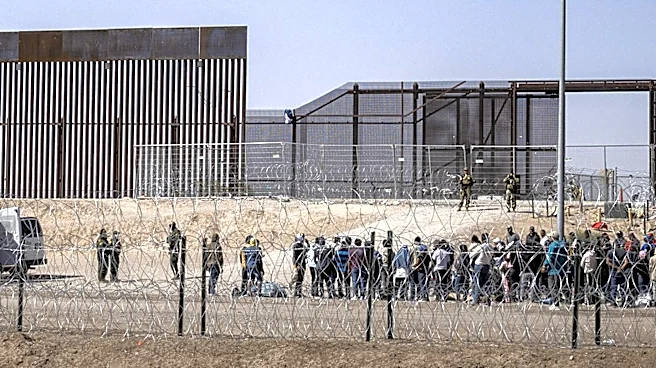
The Trump administration has introduced a pilot program requiring some prospective immigrants to post a bond of up to $250,000 to obtain a U.S. visa. This initiative, set to begin in the Dominican Republic, aims to ensure that immigrants can financially
support themselves without relying on taxpayer-funded benefits. The program targets those who have been deemed ineligible for a visa on 'public charge' grounds, meaning they are likely to become dependent on public assistance. The bond amounts will be determined on a case-by-case basis by consular offices, with the goal of protecting American public benefits programs from financial strain. This move is part of a broader effort by the administration to ensure that immigrants contribute more to society than they take.
Why It's Important?
This policy could significantly impact immigration patterns, particularly for individuals from countries with lower economic standings. By imposing financial requirements, the administration aims to reduce the burden on public welfare systems, which reportedly saw $401.6 billion in benefits consumed by immigrants in 2023. The initiative reflects a shift towards more stringent immigration policies, potentially affecting the demographics of new arrivals and their integration into U.S. society. Critics may argue that this could limit opportunities for those from less affluent backgrounds, while supporters might view it as a necessary measure to safeguard public resources.
What's Next?
The pilot program will initially apply to the Dominican Republic, with the possibility of expansion to other countries. The State Department will monitor the program's effectiveness in ensuring self-sufficiency among immigrants. Future adjustments may be made based on the program's outcomes and feedback from stakeholders. The administration's approach may prompt discussions on immigration reform and the balance between welcoming new residents and protecting national resources.