







What's Happening?
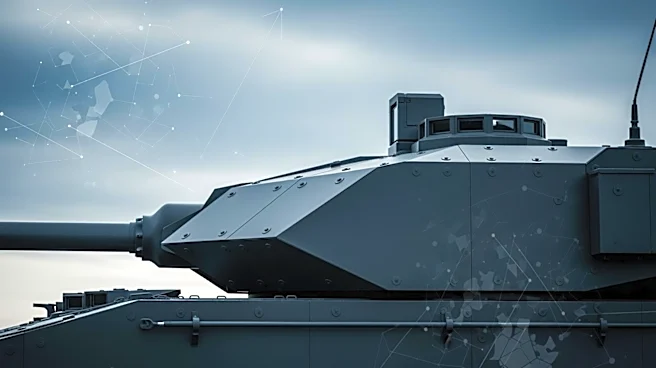
NATO is spearheading a modernization drive to enhance the operational readiness and effectiveness of military land vehicles across Europe. This initiative is driven by the resurgence of geopolitical tensions, particularly in Eastern Europe, and the evolving
nature of threats, including hybrid warfare. The conflict in Ukraine has highlighted the vulnerabilities of outdated military equipment, prompting a reevaluation of existing assets. NATO's emphasis on standardization ensures interoperability among military vehicles from different nations, which is crucial for joint operations. The modernization efforts include integrating advanced digital systems and more powerful engines to support the increased weight and energy demands of modern military vehicles.
Why It's Important?
The modernization of military land vehicles is critical for maintaining a strategic advantage in the face of evolving threats. By enhancing the survivability, mobility, and interoperability of military vehicles, NATO aims to improve collective operational effectiveness. This initiative is particularly important in the context of joint operations, where seamless coordination is essential for success. The focus on standardization and technological advancements ensures that NATO forces are equipped to counter modern and sophisticated threats, thereby strengthening the alliance's defensive posture.
What's Next?
As NATO continues its modernization efforts, member states are likely to increase investments in advanced military technologies and infrastructure. The demand for military land vehicles is expected to grow, particularly in European countries such as Poland, the UK, France, Germany, and Turkey. These nations are revamping their armored vehicle fleets to enhance their defense capabilities. The ongoing modernization drive may also lead to increased collaboration among NATO allies to ensure compatibility and logistical uniformity across military forces.