
What's Happening?
The U.S. Department of Transportation (DOT) and the Federal Aviation Administration (FAA) are actively supporting new legislation that proposes approximately $30 billion for the modernization of air traffic
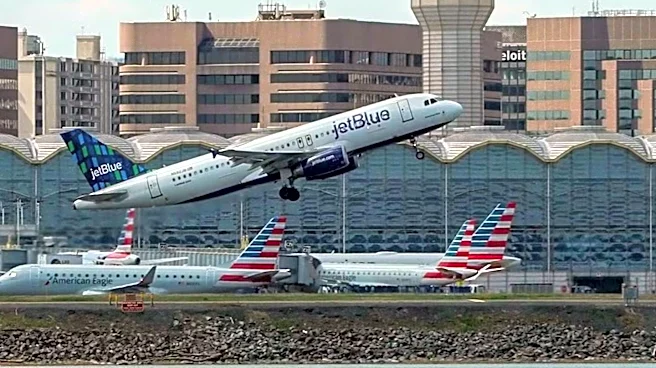
control systems and airports. This figure represents a significant increase from the $20 billion that FAA officials had previously indicated would be necessary to complete the modernization efforts. The proposed funding aims to address critical needs within the nation's aviation infrastructure, ensuring safer, more efficient, and more reliable air travel. This legislative push underscores a concerted effort by federal agencies to secure substantial investment in the future of U.S. air transportation.
Why It's Important?
This legislative backing for $30 billion in funding is critically important for the future of U.S. air travel and the national economy. Modernizing air traffic control systems is essential to handle increasing air traffic volumes, reduce delays, and enhance safety across the country. Outdated infrastructure can lead to inefficiencies, higher operational costs for airlines, and frustration for passengers. Similarly, airport modernization is vital for accommodating larger aircraft, improving passenger experience, and supporting the growth of air cargo, which is a significant component of the U.S. economy. This investment will not only improve the reliability and safety of air travel but also create jobs and stimulate economic activity in the aviation and construction sectors.
What's Next?
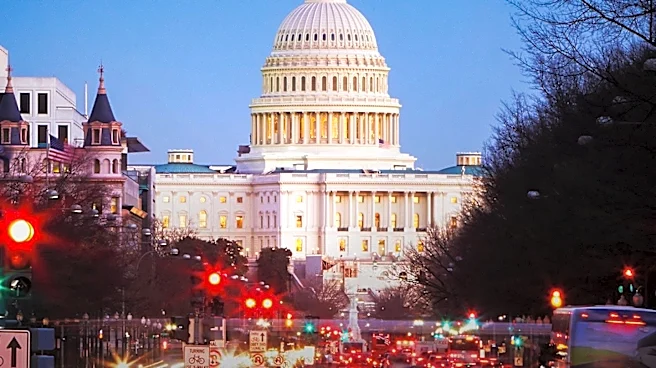
The next step involves the progression of the proposed legislation through Congress. The support from the U.S. Department of Transportation and the FAA indicates a strong executive branch endorsement, which could facilitate its passage. If approved, the $30 billion in funding would be allocated towards various projects aimed at upgrading air traffic control technology, improving airport facilities, and potentially expanding capacity. Stakeholders, including airlines, airport authorities, and aviation technology providers, will be closely monitoring the legislative process. The successful implementation of these modernization efforts would likely lead to a more resilient and efficient national airspace system, benefiting both commercial and private aviation users.
Beyond the Headlines
The push for a $30 billion investment in air traffic control and airport modernization highlights a long-standing challenge in U.S. infrastructure: the need for continuous, substantial investment to keep pace with technological advancements and growing demand. This initiative goes beyond mere upgrades; it represents a strategic commitment to maintaining America's leadership in aviation. The increased funding request suggests a recognition of the escalating costs and complexities involved in modernizing highly intricate systems. Furthermore, the modernization effort has broader implications for environmental sustainability, as more efficient air traffic management can lead to reduced fuel consumption and emissions. This legislative proposal is a critical step towards ensuring that the U.S. aviation system remains safe, competitive, and capable of supporting future economic and societal needs.