



What's Happening?
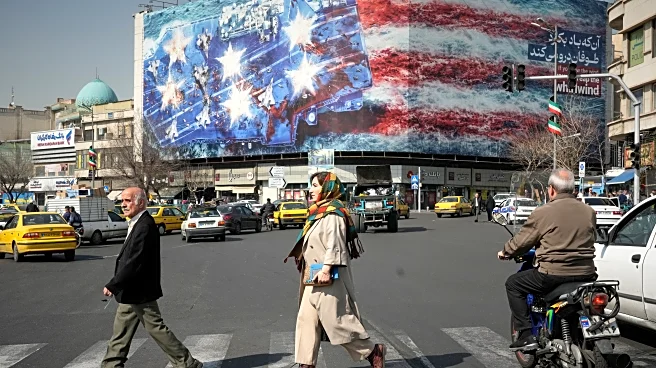
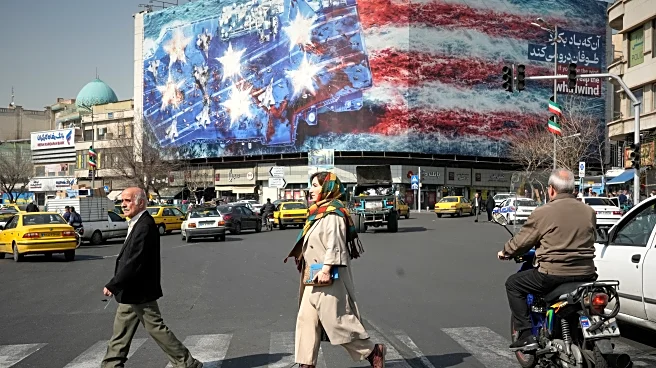
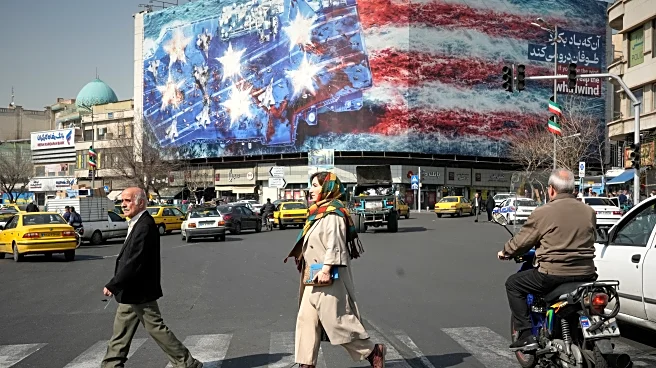
Iran's Foreign Minister Abbas Araghchi has stated that Iran reserves the right to defend itself if U.S. talks fail, emphasizing the country's right to continue uranium enrichment for civilian purposes. Araghchi expressed hope for a diplomatic solution,
with another round of talks scheduled in Geneva. He highlighted Iran's readiness to respond to any U.S. aggression, referencing past missile strikes on U.S. bases in the region. Despite tensions, Araghchi remains optimistic about reaching a 'win-win' agreement, with Iran preparing a draft proposal for the upcoming negotiations.
Why It's Important?
The ongoing negotiations between the U.S. and Iran are crucial for regional stability and global security, particularly concerning Iran's nuclear program. A failure in talks could escalate military tensions, affecting U.S. interests in the Middle East and potentially leading to broader conflict. Successful diplomacy could prevent further nuclear proliferation and stabilize oil markets, which are sensitive to geopolitical tensions. The outcome of these talks will significantly impact U.S. foreign policy and its relations with allies in the region.
What's Next?
The next round of talks in Geneva will be critical in determining the future of U.S.-Iran relations. Both sides will need to make concessions to reach an agreement, with the U.S. likely pushing for limits on Iran's nuclear activities. The international community will closely monitor these developments, as the outcome could influence global security dynamics and economic conditions, particularly in energy markets. Iran's commitment to a diplomatic solution will be tested, and any failure could lead to increased sanctions or military actions.