





What's Happening?
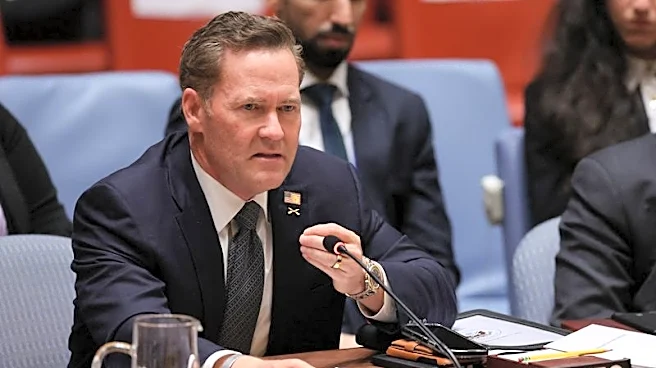
The U.S. State Department, alongside the European Commissioner for Equality, Preparedness and Crisis Management, and more than thirty nations, has issued a joint statement expressing grave concern over the escalating risk of famine in Sudan. The statement highlights
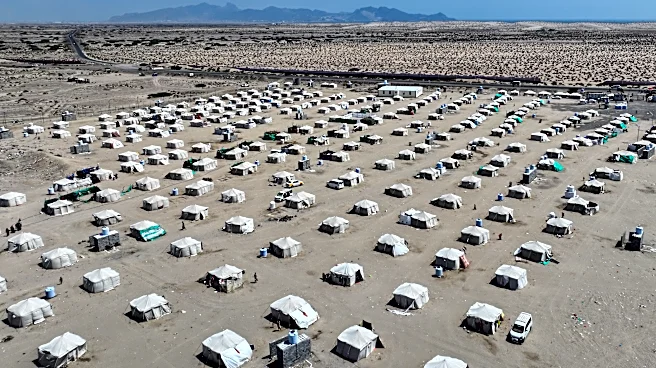
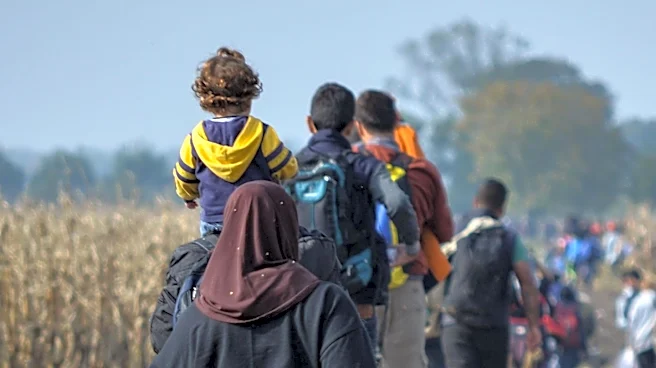
an "alarming deterioration" in Sudan's food security, with the Integrated Food Security Phase Classification (IPC) warning of an impending famine in the coming months. An estimated 40% of the Sudanese population is currently experiencing high levels of food insecurity. The primary driver of this crisis is identified as the ongoing conflict, which has led to mass displacement, damage to critical infrastructure, and severe disruptions in healthcare, food production, supply chains, and markets. Humanitarian aid efforts are further hampered by increased drought conditions. The joint statement places primary responsibility on the parties to the conflict to alleviate suffering and urges them to remove all impediments to humanitarian assistance, ensuring full, safe, rapid, and unimpeded access for aid personnel and supplies.
Why It's Important?
This joint statement underscores the international community's growing alarm over the humanitarian catastrophe unfolding in Sudan. The involvement of the U.S. State Department, alongside a broad coalition of nations, signals a concerted diplomatic effort to pressure warring factions to allow aid access and prioritize civilian well-being. The potential for widespread famine in Sudan carries significant geopolitical implications, risking further regional instability, mass migration, and increased demands on international humanitarian resources. For the U.S., a deepening crisis could necessitate greater financial aid commitments and diplomatic engagement, potentially diverting resources from other global priorities. The statement also highlights the critical role of international cooperation in addressing complex humanitarian emergencies, emphasizing that unchecked impediments to aid will severely undermine the ability to prevent widespread starvation and loss of life.
What's Next?
The immediate next steps involve continued diplomatic pressure on the warring parties in Sudan to adhere to the demands outlined in the joint statement. This includes lifting all restrictions on humanitarian assistance and ensuring the protection of aid workers. International organizations, including the World Food Programme and other UN agencies, will likely continue to advocate for increased funding and unimpeded access to deliver aid to affected populations. The U.S. and its allies may explore further diplomatic tools, such as sanctions or increased mediation efforts, if the situation does not improve. The effectiveness of these calls will depend on the willingness of the Sudanese Armed Forces (SAF) and the Rapid Support Forces (RSF) to prioritize humanitarian concerns over military objectives. Monitoring by organizations like the IPC will be crucial in assessing whether the famine risk is mitigated or continues to escalate, guiding future international responses.
Beyond the Headlines
The crisis in Sudan extends beyond immediate food insecurity, revealing deeper systemic issues related to governance, conflict resolution, and the weaponization of hunger. The joint statement implicitly acknowledges that the conflict's deliberate disruption of essential services and supplies constitutes a grave violation of international humanitarian law. The long-term implications include a generation of children suffering from malnutrition, which can lead to irreversible health and developmental issues, perpetuating cycles of poverty and instability. Furthermore, the destruction of agricultural infrastructure and markets will have lasting effects on Sudan's ability to achieve food self-sufficiency, making it reliant on external aid for years to come. This situation also tests the efficacy of international norms against using starvation as a weapon of war, highlighting the challenges in enforcing such principles in active conflict zones and the urgent need for accountability for those who obstruct humanitarian efforts.