


What's Happening?
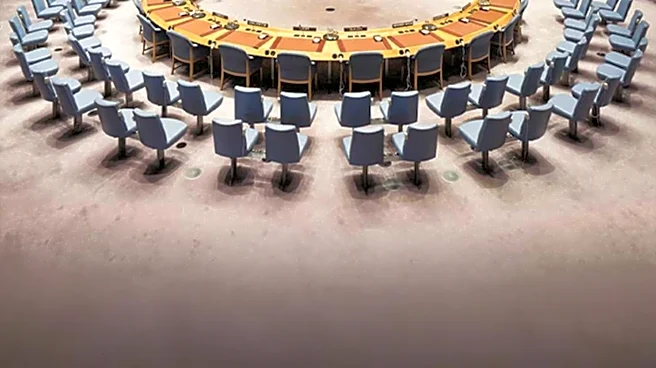
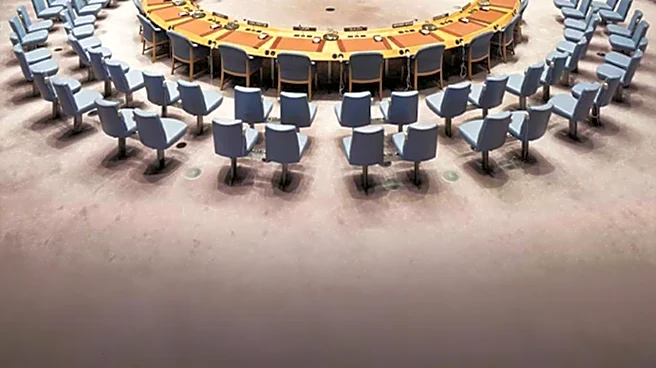
Ukraine has requested an emergency meeting of the UN Security Council, scheduled for Monday, November 9, to address recent Russian attacks on its civilian population and critical infrastructure. This request has garnered support from several European
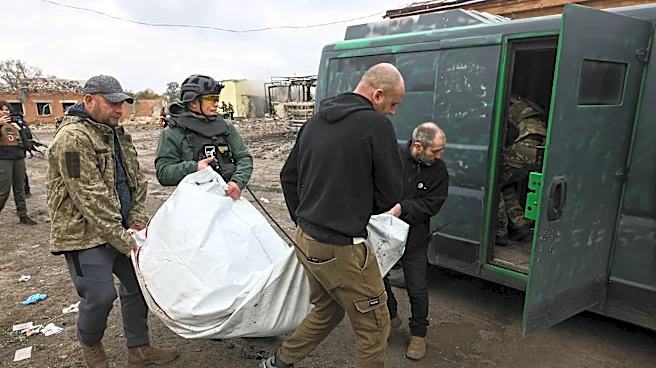
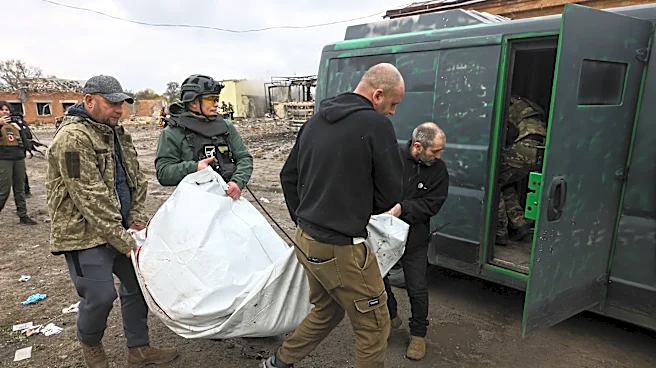
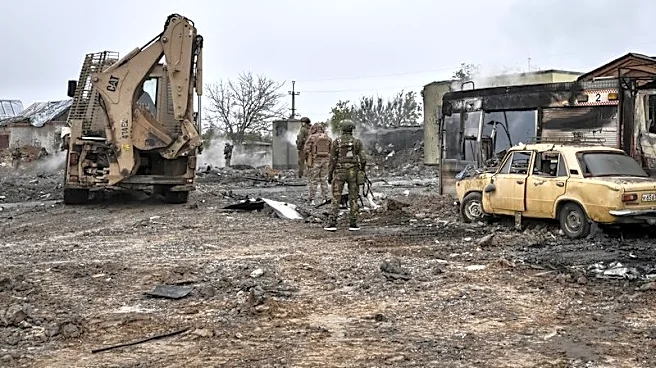
nations, including Latvia, Denmark, France, Greece, and the United Kingdom. Latvia, currently holding the presidency of the Security Council for November, will represent the briefing through its Foreign Minister, Baiba Braže. The Latvian mission emphasized that the ongoing Russian aggression continues to inflict immense suffering on civilians and poses a direct threat to vital civilian infrastructure. The meeting was prompted by a series of Russian strikes, including an attack on the village of Komyshuvakha in the Zaporizhzhia region and massive attacks on Dnipro and Chernihiv, which have reportedly resulted in civilian casualties.
Why It's Important?
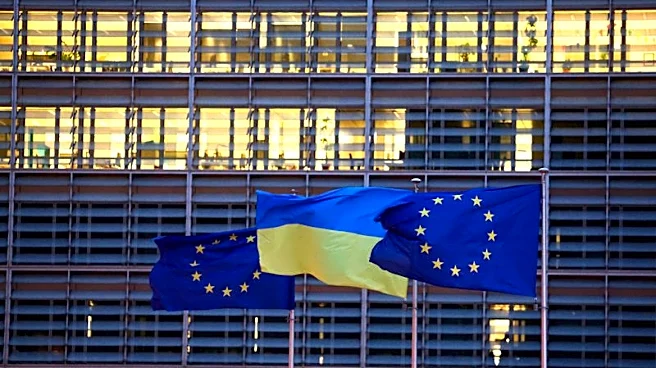
This emergency Security Council meeting underscores the international community's ongoing concern regarding the conflict in Ukraine and the humanitarian impact of Russian military actions. By bringing these attacks to the forefront of the UN's highest decision-making body, Ukraine aims to galvanize international condemnation and potentially seek further protective measures or aid. The support from multiple European countries highlights a unified front among key international players in denouncing Russia's actions. The focus on civilian casualties and critical infrastructure damage emphasizes the severe humanitarian crisis and the potential for long-term destabilization of essential services in Ukraine. For the U.S., this meeting reinforces its diplomatic efforts to isolate Russia and support Ukraine, potentially leading to discussions on additional sanctions, military aid, or humanitarian assistance, and shaping global public opinion on the conflict.
What's Next?
The UN Security Council meeting on November 9 will likely feature strong condemnations of Russia's actions from Ukraine and its allies. Russia, as a permanent member, will have the opportunity to present its perspective, though it is expected to face significant criticism. While the Security Council's ability to take decisive action against a permanent member is limited by the veto power, the session will serve as a crucial platform for international dialogue and the articulation of global concerns. It could lead to non-binding resolutions, increased diplomatic pressure, or calls for further investigations into alleged war crimes. The meeting will also provide an opportunity for member states to coordinate humanitarian aid efforts and discuss strategies for protecting civilians and critical infrastructure in Ukraine. The U.S. will likely use this forum to reiterate its commitment to Ukraine's sovereignty and territorial integrity.
Beyond the Headlines
The repeated calls for UN Security Council meetings over Russian actions in Ukraine highlight the persistent challenges within the international security framework, particularly when a permanent member is directly involved in a conflict. While the Security Council's direct enforcement capabilities are often stymied by vetoes, these sessions are vital for maintaining international pressure, documenting alleged violations, and shaping global narratives. The focus on critical infrastructure attacks also points to a modern warfare strategy that aims to cripple a nation's ability to function, with severe long-term consequences for its population and economy. This approach raises ethical questions about the targeting of civilian life-support systems and could set precedents for future conflicts, making the international response to these incidents particularly significant for the future of humanitarian law and global security norms.