


What's Happening?
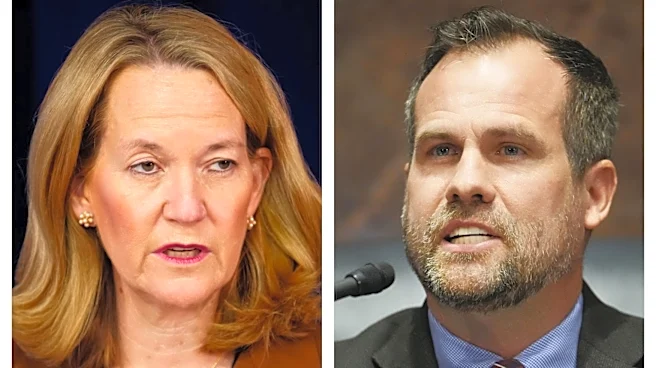
Congressman Michael Baumgartner, a Republican, publicly urged voters to reject Spokane County prosecutor candidate Danny Tarkenton after she touted a fake endorsement from Governor Bob Ferguson. Tarkenton, an independent candidate, announced on social
media that she had received an endorsement from Governor Ferguson, only to retract it later after confirmation from the governor's office that no such endorsement was made. Tarkenton stated that a 'perfect storm of miscommunication' led her to believe the endorsement was genuine, explaining that someone had filled out a form on her campaign website attributed to Ferguson pledging his endorsement. Baumgartner, in response, shared a screenshot of Tarkenton's initial post and advocated for her opponent, Preston McCollam. Baumgartner criticized Governor Ferguson as being 'soft on crime, weak on homelessness and foolish on drug use,' and advised Spokane County voters to 'automatically reject any candidate he endorses for County Prosecutor — particularly one running as a fake 'independent.'
Why It's Important?
This incident highlights the challenges of verifying information in political campaigns, particularly with the rapid spread of content on social media. The public retraction of a high-profile endorsement, even if accidental, can significantly impact a candidate's credibility and public perception. Congressman Baumgartner's swift and strong reaction underscores the partisan nature of local elections and the strategic use of endorsements, real or perceived, to sway public opinion. His comments also reflect a broader political narrative regarding crime, homelessness, and drug policies, framing the Spokane County prosecutor race within these larger ideological debates. The event could influence voter trust in campaign communications and potentially lead to increased scrutiny of endorsements in future elections, emphasizing the need for rigorous verification processes by campaigns.
What's Next?
Danny Tarkenton has called for an investigation by the Washington Attorney General's Office into the fake endorsement, suggesting that the incident involved the impersonation of a government official, which is illegal. The outcome of such an investigation could have legal ramifications for the individual responsible for submitting the fraudulent endorsement and may further shape public perception of Tarkenton's campaign. For Congressman Baumgartner, his public stance reinforces his political alignment and could mobilize his base in support of Preston McCollam. The incident is likely to remain a talking point in the Spokane County prosecutor race, potentially influencing voter decisions as the election approaches. Campaigns may also review and strengthen their protocols for verifying endorsements to prevent similar occurrences.
Beyond the Headlines
The incident raises deeper questions about the integrity of political discourse and the vulnerability of campaigns to misinformation and deliberate deception. The ease with which a fake endorsement could be generated and initially accepted by a campaign, even if later retracted, points to potential weaknesses in vetting processes and the pressures campaigns face to secure high-profile support. This event could prompt broader discussions about digital ethics in political campaigning and the legal frameworks surrounding impersonation and false claims in elections. It also highlights the role of established political figures like Congressman Baumgartner in shaping local narratives and influencing voter behavior, even in races where they are not directly involved. The incident serves as a cautionary tale about the need for vigilance and critical assessment of information in the political arena.