





What's Happening?
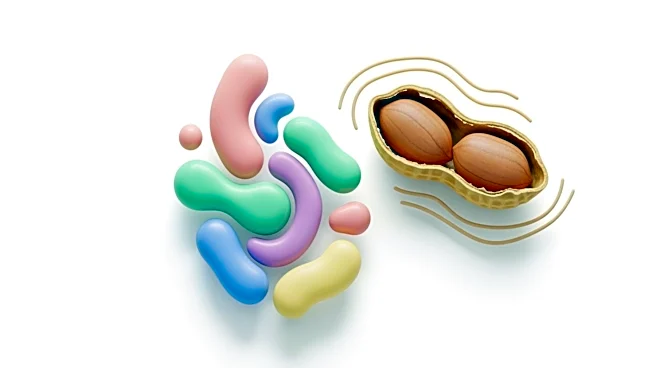
An international study involving the Francisco de Vitoria University (UFV) has discovered that certain bacteria present in human saliva can break down allergenic proteins found in peanuts, potentially reducing the severity of allergic reactions. The research,
published in the journal Cell Host & Microbe, highlights the role of oral bacteria, specifically of the genus Rothia, in deactivating peanut proteins that trigger immune responses. This finding is significant as peanut allergies affect a substantial portion of the global population, with reactions ranging from mild to life-threatening anaphylaxis. The study suggests that enhancing the presence of beneficial oral bacteria through probiotics could be a future strategy to mitigate allergic reactions.
Why It's Important?
This research offers a promising avenue for addressing peanut allergies, which are a major health concern worldwide. By understanding the interaction between oral bacteria and allergenic proteins, new preventive measures could be developed, potentially reducing the incidence and severity of allergic reactions. This could lead to significant improvements in the quality of life for individuals with peanut allergies and reduce healthcare costs associated with managing severe allergic reactions. Additionally, the study underscores the broader implications of microbiome research in developing novel therapeutic strategies for food allergies.
What's Next?
Future research may focus on developing specific probiotics that can enhance the presence of beneficial bacteria in the mouth, thereby reducing the risk of severe allergic reactions. Clinical trials could be conducted to test the efficacy and safety of such probiotics in allergy management. Moreover, this study may prompt further investigations into the role of oral and gut microbiomes in other types of food allergies, potentially leading to a broader range of microbiome-based interventions.